How to Wash a Sleeping Bag (Step-by-Step Guide Without Ruining It)
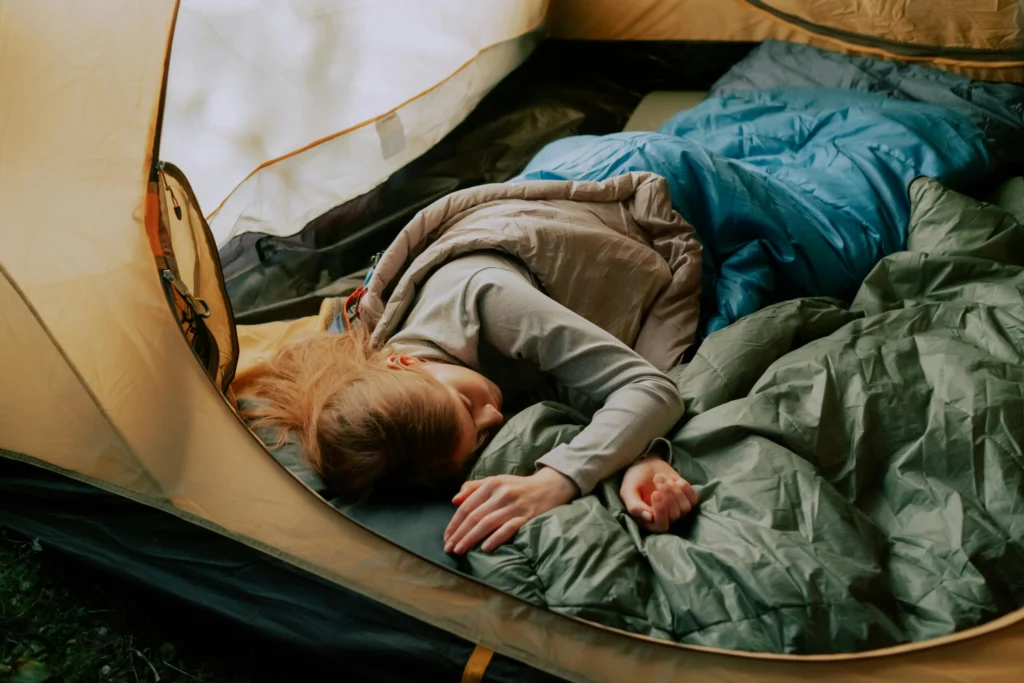
A good sleeping bag can last for years — but only if you take care of it properly. Dirt, sweat, body oils, and moisture slowly break down insulation and reduce warmth. If you’ve ever wondered how to wash a sleeping bag safely, you’re in the right place.
In this complete guide, you’ll learn:
-
Whether you can machine wash a sleeping bag
-
How to clean a sleeping bag without damaging insulation
-
The best way to dry it properly
-
How often you should wash it
-
Common mistakes to avoid
Let’s protect your gear the right way.
Why Washing Your Sleeping Bag Matters
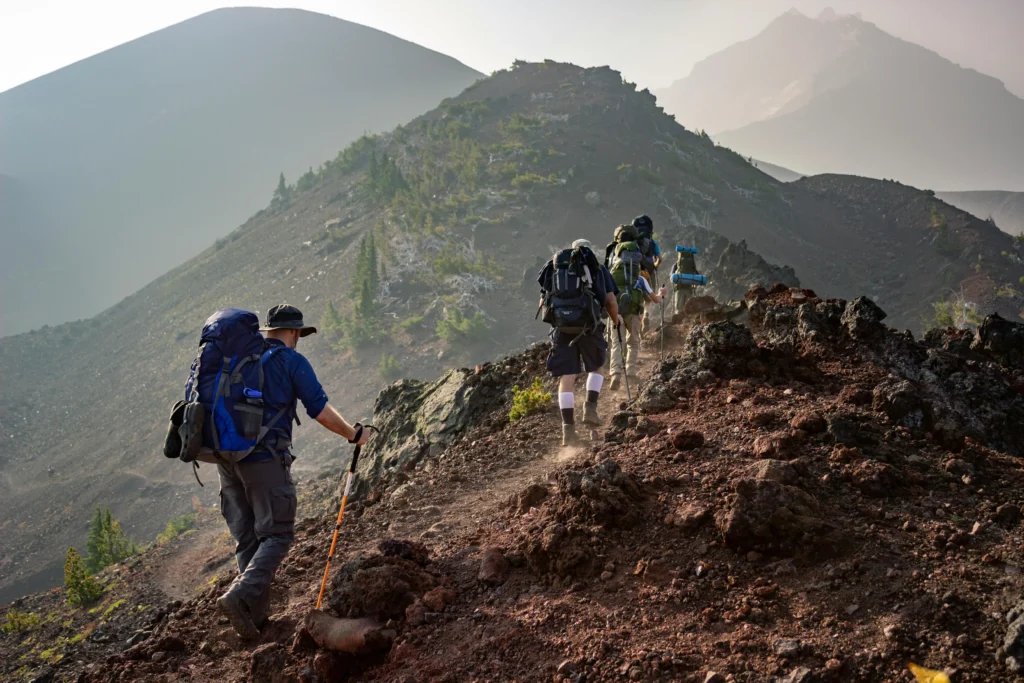
After multiple camping or hiking trips, your sleeping bag collects:
-
Body oils
-
Sweat
-
Dirt and dust
-
Moisture
-
Food odors
Over time, this reduces loft (fluffiness), insulation performance, and can even cause mildew.
Regular cleaning restores loft, improves warmth, and extends lifespan.
How Often Should You Wash a Sleeping Bag?
Most outdoor experts recommend washing your sleeping bag:
-
After 5–10 camping trips
-
Or at least once per season
-
Immediately if exposed to mud, heavy sweat, or rain
Frequent washing is NOT recommended. Too much washing can damage insulation.
Instead:
-
Use a sleeping bag liner
-
Air it out after each trip
-
Spot clean small stains
Can Your Machine Wash a Sleeping Bag?
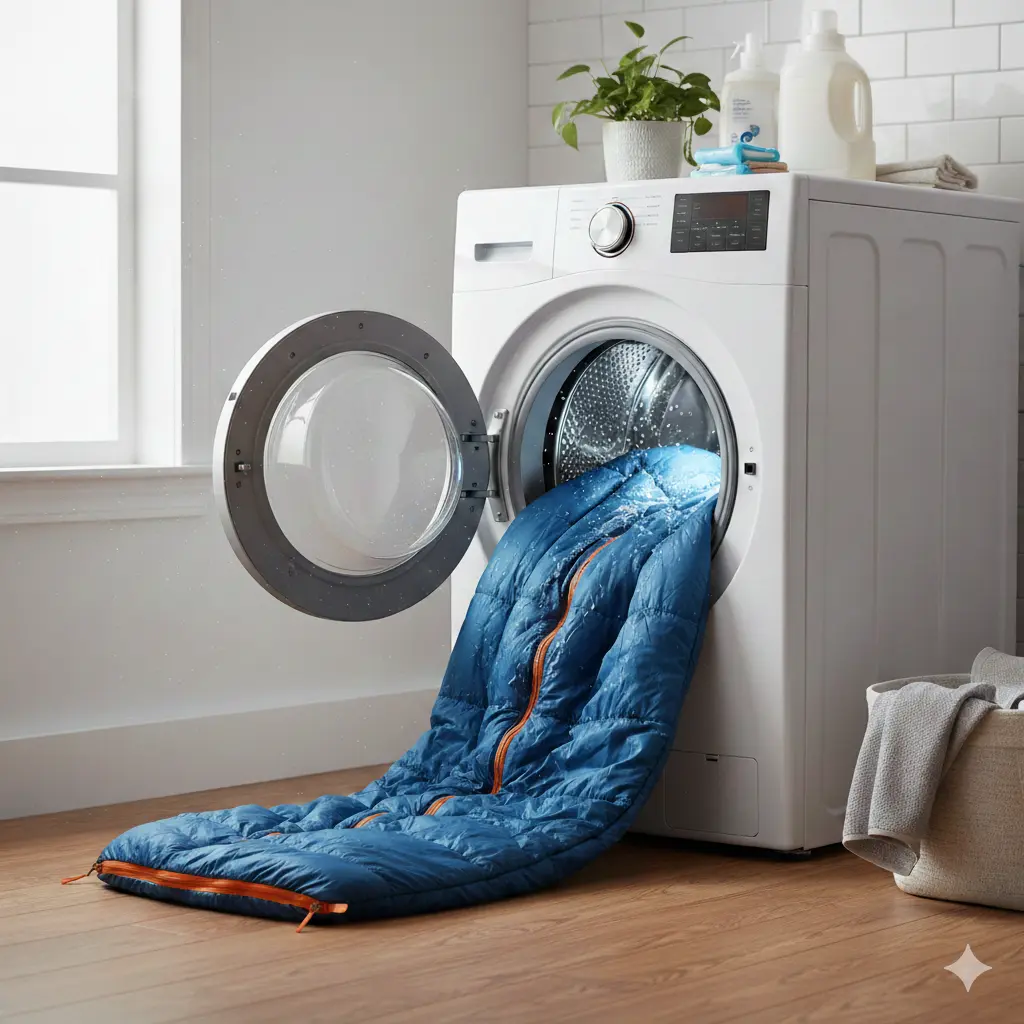
Yes — but carefully.
Whether you can machine wash your sleeping bag depends on:
-
The insulation type (down vs synthetic)
-
The washing machine type
Use a Front-Loading Washer Only
Top-loading machines with agitators can damage the insulation and stitching.
If you only have a top loader with an agitator, consider:
-
Using a laundromat with a large front-loader
-
Hand washing in a bathtub

Step-by-Step: How to Wash a Sleeping Bag
Follow these steps carefully to avoid damage.
Step 1: Read the Care Label
Before doing anything:
-
Check manufacturer instructions
-
Confirm insulation type
-
Note temperature restrictions
Some bags require specific detergents.
Step 2: Spot Clean First
Before full washing:
-
Use mild soap and warm water
-
Gently scrub dirty areas (hood and footbox usually dirtiest)
-
Avoid soaking entire bag unnecessarily
Sometimes this is enough.
Step 3: Choose the Right Detergent
Never use:
❌ Regular laundry detergent
❌ Fabric softener
❌ Bleach
Instead use:
✔ Down-specific cleaner (for down bags)
✔ Technical gear wash (for synthetic bags)
Regular detergents strip natural oils from down feathers and reduce loft.
Step 4: Wash on Gentle Cycle
Settings to use:
-
Cold or lukewarm water
-
Gentle cycle
-
Extra rinse cycle
Do not overload the washer. Wash the sleeping bag alone.
Step 5: Rinse Thoroughly
Leftover soap ruins insulation performance.
Run an extra rinse cycle to remove residue completely.
How to Dry a Sleeping Bag Properly
Drying is the MOST important step.
Improper drying can cause:
-
Mold growth
-
Clumping insulation
-
Permanent damage
Use Low Heat Only
Place in dryer on:
-
Low heat
-
Delicate setting
High heat can melt synthetic fibers or damage shell fabric.
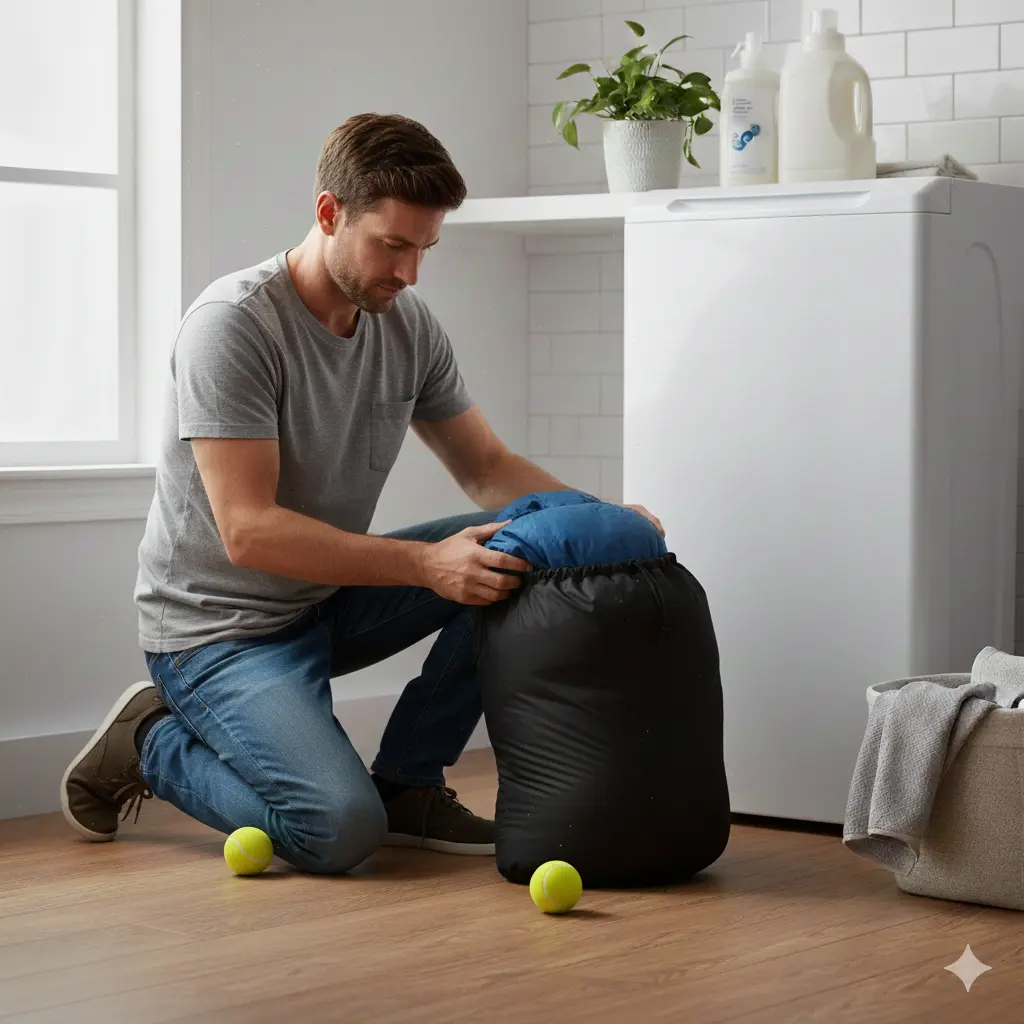
Add Tennis Balls or Dryer Balls
This helps:
-
Break up clumps
-
Restore loft
-
Maintain insulation distribution
Expect drying to take 1–3 hours depending on thickness.
Be patient.

Air Dry for Final Moisture Removal
After machine drying:
-
Lay flat in a ventilated area
-
Ensure completely dry before storage
Even small moisture can cause mildew.
How to Hand Wash a Sleeping Bag (Alternative Method)
If you don’t have access to a front-loader:
1. Fill bathtub with lukewarm water
2. Add technical detergent
3. Submerge sleeping bag
4. Gently press water through insulation
5. Soak for 30–60 minutes
6. Drain and rinse multiple times
Do NOT wring or twist aggressively.
Press water out gently.
Down vs Synthetic: Washing Differences
Down Sleeping Bags
-
Require down-specific detergent
-
Take longer to dry
-
Must be dried thoroughly to prevent clumping
-
More delicate
Synthetic Sleeping Bags
-
Easier to clean
-
Dry faster
-
More durable
-
Better for frequent washing
Always confirm insulation type before washing.
Common Mistakes to Avoid
Avoid these errors:
❌ Using regular detergent
❌ Using hot water
❌ Skipping extra rinse
❌ Storing while damp
❌ Hanging long-term on hanger
❌ Compressing for long storage
These mistakes reduce lifespan dramatically.
How to Store a Sleeping Bag After Washing
Proper storage is just as important as washing.
Never store:
❌ In compression sack long-term
Instead:
✔ Store loosely in a large cotton storage sack
✔ Hang in a dry closet
✔ Keep away from moisture
Proper storage preserves loft and warmth.
Pro Tips to Reduce Washing Frequency
Want to wash less often?
Do this:
-
Use a sleeping bag liner
-
Change into clean sleep clothes
-
Air out bag after each trip
-
Avoid eating inside bag
-
Keep away from campfire smoke
These habits extend cleaning intervals.
Frequently Asked Questions
Can you machine wash a sleeping bag?
Yes, but only in a front-loading washer on a gentle cycle with proper detergent.
How long does it take to dry a sleeping bag?
Usually 1–3 hours on low heat. Always ensure it is completely dry before storing.
Can you dry clean a sleeping bag?
No. Dry cleaning chemicals can damage insulation.
How often should I wash my sleeping bag?
After 5–10 camping trips or once per season.
Final Thoughts
Knowing how to wash a sleeping bag correctly protects your investment and ensures warmth for years to come.
The key takeaways:
-
Use the right detergent
-
Wash gently
-
Rinse thoroughly
-
Dry completely
-
Store properly
With proper care, your sleeping bag can last many outdoor seasons.
Take care of your gear — and it will take care of you.