If you’ve ever finished a hike with sore, heavy legs and soaking wet socks, you already know what bad gear feels like. The right pair of lightweight waterproof hiking boots changes everything — your speed, your comfort, and how much you actually enjoy being on the trail.
This guide covers the best options available right now, with honest recommendations for women hikers, beginners, wide feet, and anyone who wants real performance without carrying unnecessary weight. We also explain what to look for so you can make a smart decision even if this is your first pair of hiking boots.
Quick Comparison: Best Lightweight Waterproof Hiking Boots 2026
| Boot | Best For | Weight (per pair) | Waterproofing | Our Pick |
|---|---|---|---|---|
| Salomon X Ultra 5 Mid GTX | Best Overall | ~610g / 21.5 oz | Gore-Tex | Top Pick |
| Merrell Moab 3 Mid GTX | Budget & Beginners | ~870g / 30.7 oz | M Select DRY | Best Value |
| Hoka Anacapa 2 Mid GTX | Max Cushion | ~680g / 24 oz | Gore-Tex | Trail Comfort |
| Keen Targhee III Mid WP | Wide Feet | ~890g / 31 oz | KEEN.DRY | Wide Fit |
| Columbia Newton Ridge Plus WP | Casual / Travel | ~820g / 29 oz | Seam-sealed | Budget Casual |
Why Lightweight Matters More Than You Think
Most traditional hiking boots weigh over 1.5 kg (3.3 lbs) per pair. Every extra 100g on your feet adds up to roughly 1 ton of additional lift over 10 miles of hiking. That’s real fatigue.
Modern lightweight waterproof boots weigh between 500g–900g per pair. They use:
- Synthetic or mesh uppers instead of full-grain leather
- EVA foam midsoles instead of heavy rubber blocks
- Thin Gore-Tex or equivalent membranes bonded directly into the liner
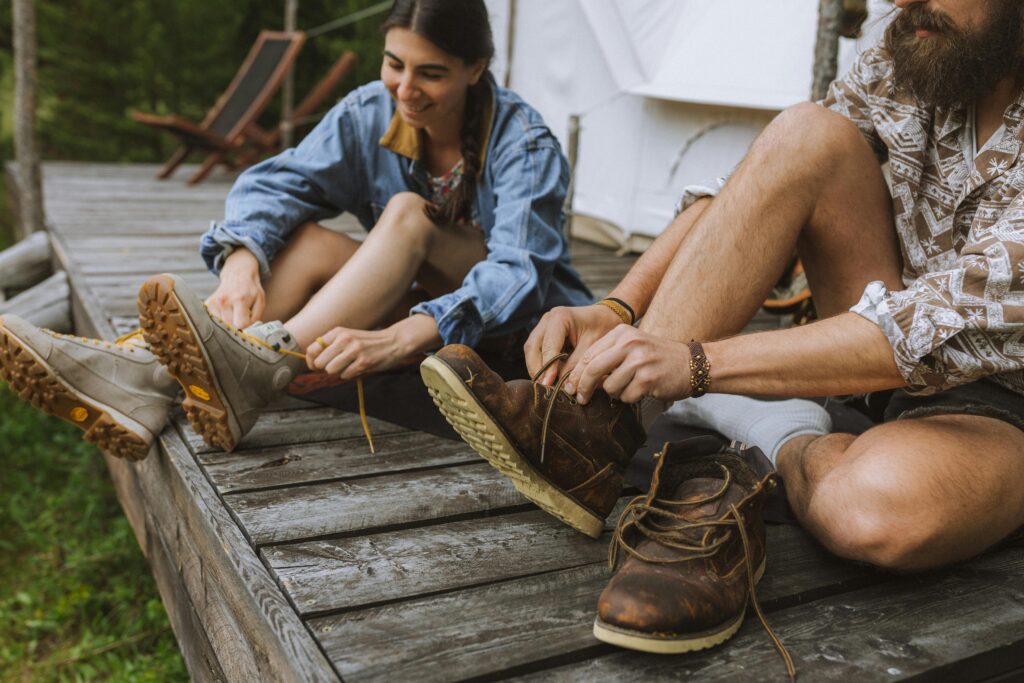
The result: you move faster, feel less tired, and still keep your feet dry. For most day hikes and light backpacking trips, lightweight boots outperform heavier alternatives in every practical way.
If you’re not sure whether waterproof footwear is right for your terrain, our guide on do you need waterproof hiking shoes walks through exactly when it’s worth it and when it isn’t.
The 5 Best Lightweight Waterproof Hiking Boots
1. Salomon X Ultra 5 Mid GTX — Best Overall
The Salomon X Ultra series has been the gold standard for lightweight hiking boots for years, and the 2025/2026 X Ultra 5 Mid GTX continues that tradition with meaningful upgrades over the previous generation.
What makes it stand out:
- Gore-Tex waterproof membrane with solid breathability for warm-weather hikes
- Salomon’s Contagrip outsole handles wet rocks, mud, and loose gravel with confidence
- Quicklace system eliminates fiddly lacing mid-trail
- Exceptionally light for a mid-cut boot with ankle support
- Available in standard and wide sizes for both men and women
Who it’s for: Day hikers and active trail users who want the best balance of weight, protection, and performance. This is the boot most outdoor gear professionals recommend first.
Women’s fit note: The women’s version uses a narrower last with lower volume construction — if you have wider feet, size up half a size or consider the wide variant.
2. Merrell Moab 3 Mid GTX — Best for Beginners & Budget Buyers
The Merrell Moab (“Mother of All Boots”) series earned that nickname honestly. The Moab 3 Mid GTX is one of the best-selling hiking boots in the world because it does almost everything right at a price most people can actually afford.
What makes it stand out:
- Comfortable straight from the box — minimal break-in period
- Merrell’s M Select DRY membrane is reliable waterproofing for most trail conditions
- Wide fit options available, which is rare at this price point
- Vibram outsole for solid grip on most terrain types
- Great for both beginner hikers and casual trail walkers
Who it’s for: First-time hikers, anyone building their gear kit on a budget, or people who want a boot that works for both trail and everyday outdoor use.
Women’s fit note: The women’s Moab 3 has a slightly softer midsole tuned for lighter body weight. Many women find it the most comfortable hiking boot they’ve ever worn right out of the box.
3. Hoka Anacapa 2 Mid GTX — Best for Cushioning & Long Days
Hoka entered the hiking boot market and immediately disrupted it. The Anacapa 2 Mid GTX looks unusual, but the thick midsole means your feet feel significantly better after 10+ miles compared to most competitors.
What makes it stand out:
- Hoka’s signature maximum cushioning midsole absorbs impact on rocky terrain
- Gore-Tex waterproofing rated for full rain and stream crossings
- Surprisingly lightweight given the amount of cushion
- Good ankle support for a modern trail-oriented design
Who it’s for: Hikers who deal with knee pain, plantar fasciitis, or joint issues. Also excellent for anyone doing long mileage days on hard or rocky surfaces.
Women’s fit note: Women’s-specific last offers more volume in the forefoot compared to typical hiking boots. Works particularly well for medium-to-wide feet.
4. Keen Targhee III Mid Waterproof — Best for Wide Feet
Keen builds boots for real feet, not fashion models. The Targhee III’s roomy toe box is the main reason thousands of hikers specifically seek out this brand — your toes can spread naturally instead of being compressed.
What makes it stand out:
- Keen’s signature wide toe box design prevents blister-causing toe compression
- Durable waterproof construction handles extended wet conditions
- Excellent heel lockdown reduces slippage on steep descents
- Stable platform on uneven and rocky terrain
Who it’s for: Anyone with wide or bunion-prone feet who has struggled to find comfortable hiking boots. Also a solid choice for hikers who prefer a roomier fit overall.
5. Columbia Newton Ridge Plus II Waterproof — Best Budget Casual Option
If you mostly hike easy to moderate trails and want something affordable that also works for travel and light outdoor use, the Columbia Newton Ridge delivers solid value.
What makes it stand out:
- Seam-sealed waterproof construction keeps feet dry in rain and light mud
- Comfortable leather and synthetic upper holds up well
- Lightweight enough for city-to-trail use
- Among the most affordable genuinely waterproof options on the market
Who it’s for: Casual hikers, travelers who want one shoe that works for both walking in cities and light trails, or anyone who needs a functional waterproof boot without spending much.
Note: Not designed for technical terrain, steep scrambles, or heavy backpacking loads.
How to Choose the Right Lightweight Waterproof Hiking Boot
Understand Your Waterproofing Options
Not all waterproofing is equal. Here’s what the main technologies actually mean:
Gore-Tex is the industry benchmark. It’s a membrane bonded inside the boot that blocks water while remaining breathable. It works in sustained rain and stream crossings and holds up well over years of use.
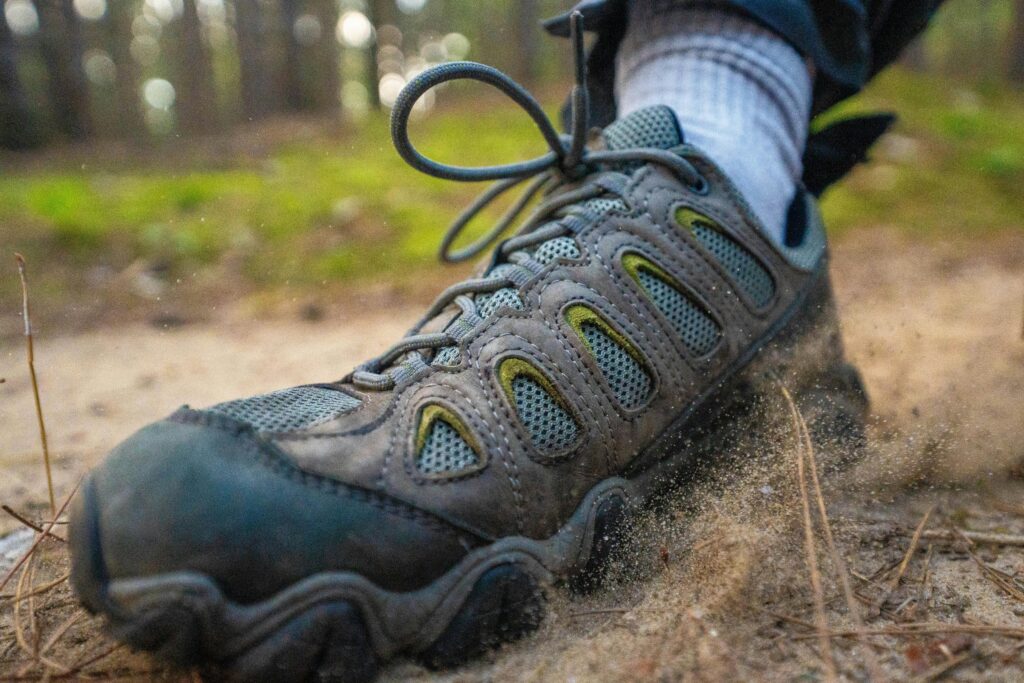
Proprietary membranes (like Merrell’s M Select DRY or Keen’s KEEN.DRY) work well for most hikers in moderate conditions. They’re often more breathable than Gore-Tex in warm weather, but some perform less consistently in extended heavy rain.
DWR coating (Durable Water Repellent) is a surface treatment on the outer fabric — not a true waterproof membrane. It beads water off lightly but saturates in sustained rain. Most boots use DWR as an outer layer combined with an inner membrane.
For wet climates, stream crossings, or consistent rain: Go with Gore-Tex.
For dry climates with occasional rain: A quality proprietary membrane saves money and often breathes better.
Mid-Cut vs. Low-Cut: Which Do You Need?
Mid-cut boots (ankle-high) give you ankle support and protection from debris. They’re the right choice if you carry a pack, hike on uneven terrain, or have weak ankles.
Low-cut shoes work well for easy, maintained trails where speed matters more than support. Many experienced hikers prefer them for day hiking.
For beginners: start with mid-cut. You can always move to low-cut as your ankle strength and trail confidence build.
Fit Is Everything — Don’t Skip This
A boot that fits perfectly will feel comfortable from day one. A boot that fits poorly will give you blisters no matter how expensive it is. Follow these rules when trying on hiking boots:
- Try them on in the afternoon — feet swell throughout the day
- Wear the socks you’ll actually hike in — thin socks change the fit significantly (we recommend women’s hiking socks for summer for warm weather hikes)
- Check toe room — you should be able to wiggle all toes freely
- Test the heel — your heel should not lift when you walk; if it does, try a half size down or a different lacing pattern
- Walk on an inclined surface — your toes should not slam forward on downhill
If you’re unsure about sizing between brands, our guide on how tight should trail shoes be explains the exact fit you’re looking for.
Weight vs. Support: The Real Trade-Off
Here’s the honest truth: the lighter the boot, the less structured support it provides.
| Your Situation | Recommended Weight Range |
|---|---|
| Day hikes, easy–moderate trails | Under 700g per pair |
| Day hikes with a 10–20 lb pack | 700g–900g per pair |
| Multi-day backpacking, 20+ lb pack | 900g+ with more structure |
| Technical terrain, scrambling | Consider a heavier, stiffer boot |
For most casual and intermediate hikers, the 600g–800g range gives the best combination of lightness and trail-ready support.
Traction: What to Look For
On dry trails, almost any rubber outsole grips well. The real difference shows on wet rock, mud, and loose gravel.
Vibram outsoles are the gold standard — consistently reliable across terrain types and wear well over hundreds of miles.
Salomon’s Contagrip performs excellently on wet rock and compacted dirt. Less aggressive in deep mud.
Multi-directional lug patterns grip better on varied terrain but add weight and wear faster on pavement.
If you primarily hike in the Pacific Northwest, New England, or any area with frequent rain, prioritize boots with deep lug patterns and proven wet traction ratings.
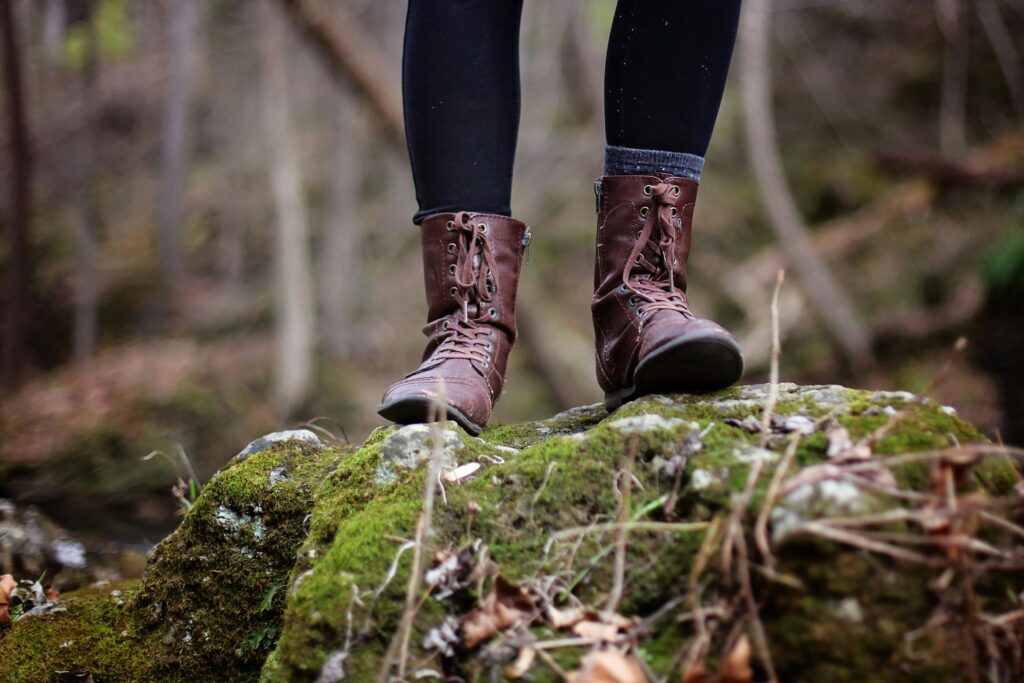
Complete Wet-Weather Gear Setup
Waterproof boots protect your feet, but trail rain hits everything. If you hike in wet conditions regularly, pairing your boots with proper rain gear makes a real difference:
- Rain jacket: A packable women’s waterproof rain jacket keeps your core dry without adding bulk
- Rain hat: A women’s waterproof rain hat for hiking stops water from running down your collar — something boots alone can’t fix
- Hiking socks: Merino wool or synthetic hiking socks maintain warmth even when slightly damp
For a full layering breakdown for cold or wet conditions, our what to wear hiking in winter guide covers everything from base layers to foot care.
How Long Do Lightweight Waterproof Hiking Boots Last?
With proper care, most quality lightweight hiking boots last between 400–800 miles of trail use, or roughly 2–4 years for a regular day hiker.
Factors that affect lifespan:
- Surface type: Rocky terrain wears outsoles much faster than dirt trails
- Care: Regular cleaning and re-waterproofing treatment (Nikwax or similar) extends membrane life significantly
- Storage: Keep them away from direct heat — high temperatures degrade EVA foam faster
- Weight carried: Heavy packs compress midsoles faster
Signs it’s time to replace your boots: the outsole lugs are worn smooth, the midsole no longer springs back when you press it, or the waterproof membrane starts leaking at the seams rather than the surface.
Frequently Asked Questions
Are lightweight waterproof hiking boots good for beginners?
Yes — they’re often the best choice for beginners. Heavy traditional boots require a long break-in period and cause more fatigue on moderate trails. A lightweight waterproof boot is more comfortable immediately and gives you the protection you need without overcomplicating your setup.
Can I use lightweight waterproof hiking boots for everyday walking?
Many people do, especially models like the Merrell Moab 3 and Columbia Newton Ridge. They’re comfortable enough for extended walking and casual outdoor use. The main trade-off is that outsole lugs wear faster on pavement than on soft trails.
How do I know if hiking boots are truly waterproof vs. water-resistant?
True waterproof boots use a full membrane (Gore-Tex or equivalent) bonded inside the boot. They can withstand sustained submersion up to the boot’s collar height. Water-resistant boots use only a DWR coating — they handle light rain but soak through in heavier precipitation or puddles. Always check the product description for “Gore-Tex,” “KEEN.DRY,” “M Select DRY,” or similar membrane technology.
Do lightweight boots provide enough ankle support for rough trails?
Mid-cut lightweight boots provide moderate ankle support, which is adequate for most recreational hiking. If you have a history of ankle sprains or plan to hike technical terrain with a heavy pack, you may want a heavier, more structured boot. For easy to moderate trails, modern lightweight mid-cut designs support ankles well.
Are waterproof hiking boots worth it for summer hiking?
It depends on your terrain. In areas with creek crossings, morning dew, rain, or damp forest trails, waterproof boots are absolutely worth it year-round. In dry, desert environments in summer, a breathable non-waterproof shoe may be cooler and more comfortable. Our full breakdown on do I need waterproof hiking shoes can help you decide for your specific conditions.
What socks should I wear with waterproof hiking boots?
Merino wool or quality synthetic hiking socks work best. They wick moisture, reduce friction (preventing blisters), and maintain warmth even if slightly damp. Avoid cotton socks — they hold moisture and increase blister risk. See our recommendations for women’s hiking socks for summer if you hike in warm conditions.
Our Final Recommendation
For most hikers — especially women and beginners — the Salomon X Ultra 5 Mid GTX delivers the best combination of weight, grip, waterproofing, and ankle support available right now. It works on everything from a rainy forest trail to a rocky mountain day hike.
On a budget, the Merrell Moab 3 Mid GTX is genuinely one of the best values in all of hiking gear.
If wide feet have made boot shopping painful in the past, try the Keen Targhee III first.
Related Guides on MyTrailWear
- Do I Need Waterproof Hiking Shoes? — honest breakdown for different terrain types
- How Tight Should Trail Shoes Be? — sizing guide to get the fit right the first time
- Waterproof Rain Hats for Women — complete head protection for wet weather
- Women’s Hiking Socks for Summer — the right socks make boots work better
- What to Wear Hiking in Winter — full layering system for cold conditions
- Best Women’s Hiking Shorts — gear up the rest of your kit
- Wide Hiking Shoes for Women — if standard sizing never fits right
- Best Women’s Walking Shoes for Travel in Europe — city-to-trail options for travelers
Disclosure: As an Amazon Associate, MyTrailWear earns a commission from qualifying purchases at no extra cost to you. Our recommendations are based on real gear research and are never influenced by brand relationships.