New Hampshire Hiking White Mountains: A Complete Guide for First‑Time & Experienced Hikers
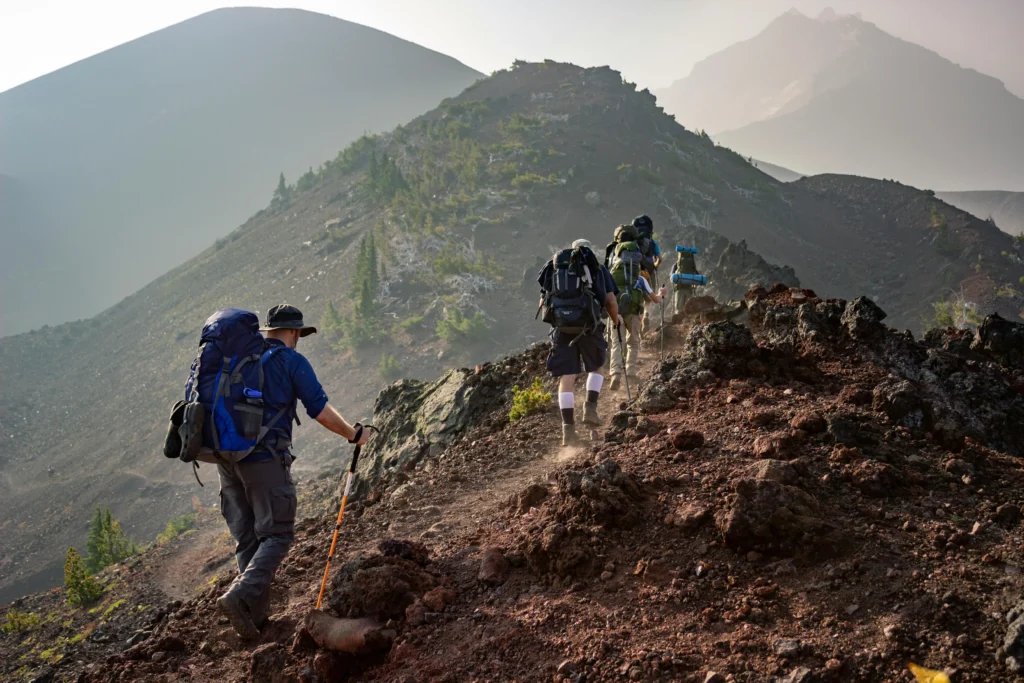
If you’re planning New Hampshire hiking White Mountains adventures, you’re looking at one of the most challenging and rewarding hiking regions in the entire United States. Don’t let the elevations fool you — these mountains may not be the tallest, but they are rugged, wild, and unforgettable.
From alpine ridgelines and dramatic weather to dense forests and iconic 4,000‑foot peaks, hiking in the White Mountains offers something for beginners, families, solo hikers, and experienced backpackers alike.
Many first-time visitors underestimate how quickly weather changes in the White Mountains. Even summer hikes can feel like fall near the summits, so checking local forecasts from the Mount Washington Observatory is strongly recommended.
Why the White Mountains in New Hampshire Are So Popular for Hiking
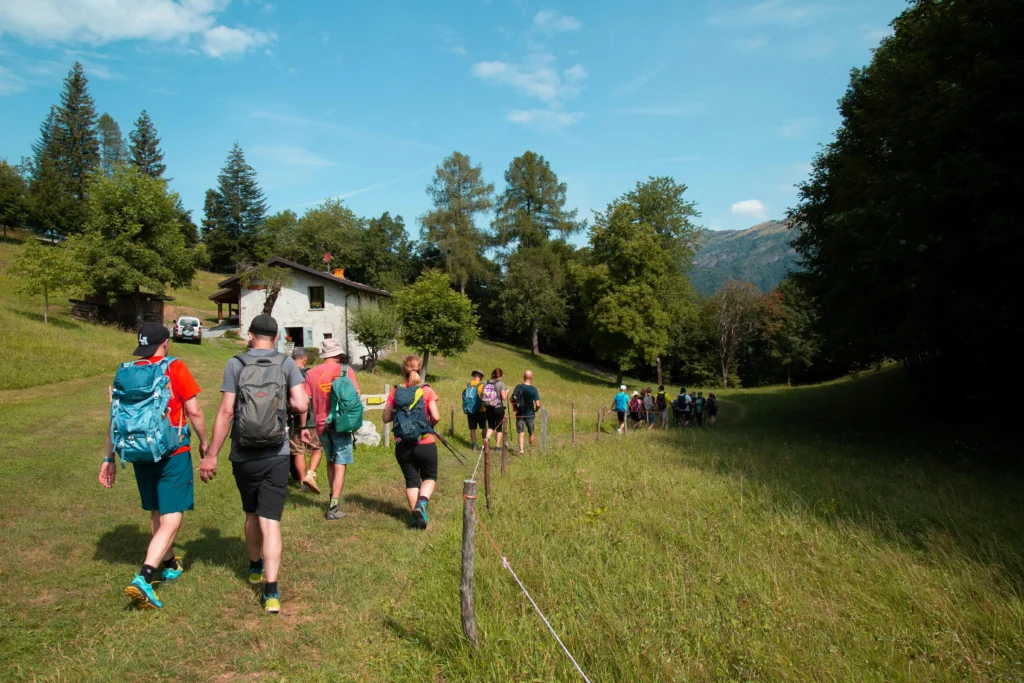
The White Mountains are part of the White Mountain National Forest, covering nearly 800,000 acres in northern New Hampshire and western Maine. It’s one of the most visited hiking destinations in the Northeast.
Here’s why hikers love this region:
- Over 1,200 miles of hiking trails
- More than 48 official 4,000‑foot peaks
- Sections of the Appalachian Trail
- Alpine terrain rarely found in the eastern U.S.
- Challenging climbs with epic views
Whether you want a short day hike or a multi‑day trek, New Hampshire hiking White Mountains trips deliver adventure.
Best Time for New Hampshire Hiking in the White Mountains
Choosing the right season matters more here than almost anywhere else.
🌸 Late Spring (May – June)
- Snow may linger at higher elevations
- Trails can be muddy
- Alpine flowers bloom in June
☀️ Summer (July – August)
- Most popular hiking season
- Long daylight hours
- Ideal for beginners (with preparation)
🍂 Fall (September – October)
- Stunning foliage
- Cooler temperatures
- Very busy on weekends
❄️ Winter (November – April)
- Only for experienced winter hikers
- Requires snowshoes, crampons, and skills
For most people, late summer and early fall are best for New Hampshire hiking White Mountains trips.
Top White Mountain Hikes in New Hampshire (All Skill Levels)
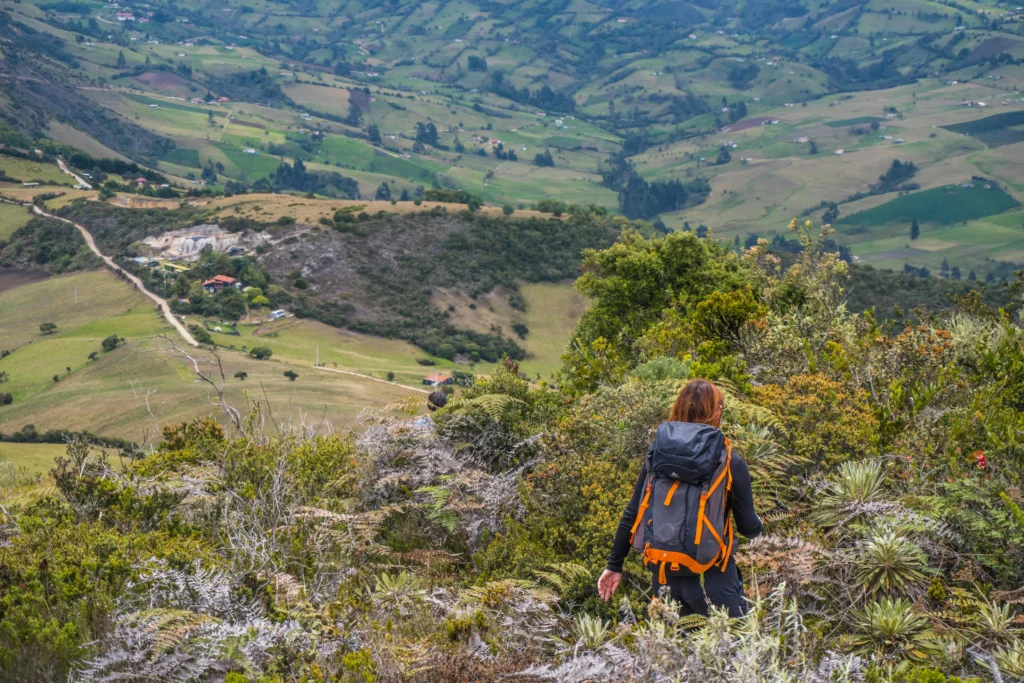
Below are some of the best hikes, broken down by difficulty.
Easy to Moderate White Mountain Hikes
Mount Willard (3.2 miles round‑trip)
Perfect for beginners, this hike offers one of the best views of Crawford Notch with minimal effort.
Artist’s Bluff (1.5 miles loop)
Short, scenic, and great for families. Ideal if you want views without a long hike.
Arethusa Falls (2.8 miles round‑trip)
One of New Hampshire’s tallest waterfalls — a great option for casual hikers.
Moderate to Challenging White Mountain Hikes
Mount Monadnock (various routes)
One of the most climbed mountains in the world, offering panoramic views with well‑maintained trails.
Mount Moosilauke (7–8 miles)
A classic White Mountain hike with open summit views and multiple trail options.
Franconia Ridge Loop (8.5 miles)
Often considered the crown jewel of New Hampshire hiking White Mountains routes.
Difficult & Iconic White Mountain Hikes
Mount Washington
At 6,288 feet, it’s the tallest peak in the Northeast. Weather can change rapidly — preparation is critical.
Presidential Range Traverse
A bucket‑list hike featuring multiple 5,000‑foot peaks and extended alpine exposure.
Pemi Loop
A demanding multi‑day or ultra‑long day hike covering over 30 miles.
Essential Gear for Hiking the White Mountains
Conditions change fast in New Hampshire. Never hike unprepared.
Must‑Have Gear:
- Waterproof hiking boots
- Weatherproof jacket
- Extra layers (even in summer)
- Map or GPS
- Headlamp
- Plenty of food and water
Lightweight but reliable gear makes a huge difference on rugged terrain.
Safety Tips for New Hampshire White Mountains Hiking
- Always check the weather forecast
- Start early in the day
- Turn back if conditions worsen
- Stay on marked trails
- Respect alpine zones (no camping above treeline)
The mountains will always be there — your safety comes first.
Where to Stay When Hiking the White Mountains
Popular base towns include:
- North Conway
- Lincoln
- Gorham
- Jackson
Options range from campgrounds and huts to hotels and lodges.
Is New Hampshire Hiking in the White Mountains Right for Beginners?
Yes — with planning.
Beginners should:
- Choose shorter hikes
- Avoid bad weather days
- Hike with experienced partners
- Learn basic navigation
Start small and build confidence.
Final Thoughts on Hiking the White Mountains in New Hampshire
Few places in the U.S. offer the variety, challenge, and beauty found in the White Mountains. Whether you’re chasing summit views, waterfalls, or alpine ridges, New Hampshire hiking White Mountains experiences are unforgettable.
Plan carefully, respect the terrain, and enjoy one of America’s greatest hiking destinations.
This guide is designed to help hikers plan safely and confidently. Always follow local regulations and trail advisories before heading out.