What to Wear Hiking in Winter
Winter hiking can be peaceful, beautiful, and incredibly rewarding — but only if you’re dressed properly. If you’ve ever wondered what to wear hiking in winter, the answer isn’t about wearing the thickest jacket you own. It’s about choosing the right layers that keep you warm, dry, and comfortable as conditions change.
This guide breaks down winter hiking clothing in a simple, beginner-friendly way so you can enjoy the trail without worrying about the cold.
Why What You Wear Matters More in Winter Hiking
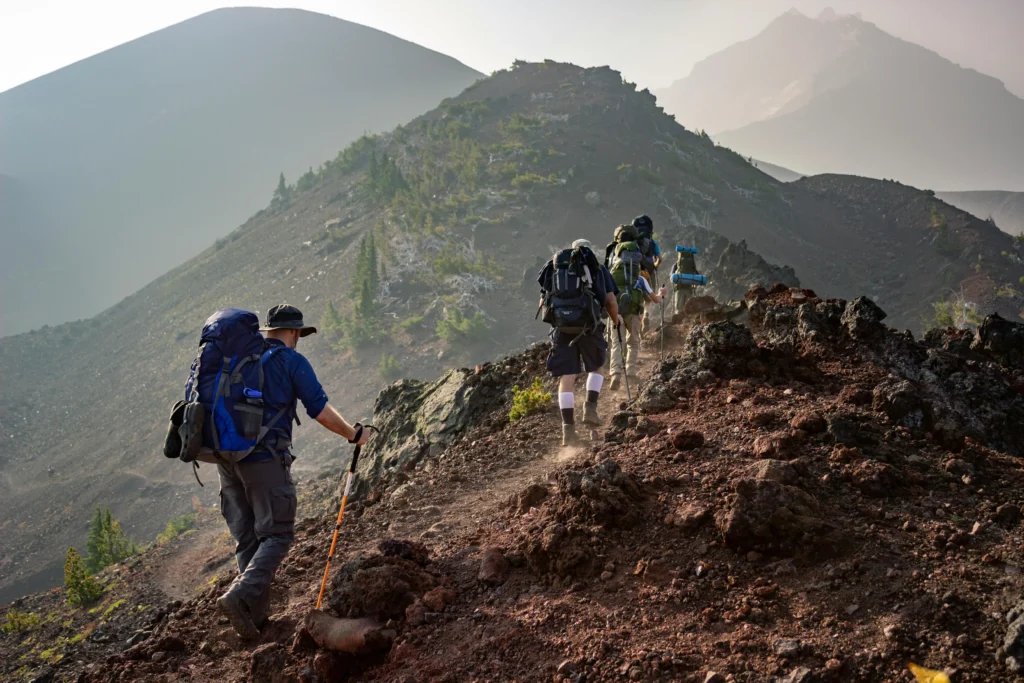
Cold weather hiking places extra stress on your body. Sweat, wind, and low temperatures can quickly turn discomfort into danger if you’re not prepared. Wearing the wrong clothes can lead to overheating, chilling, or even hypothermia.
The goal of winter hiking clothing is to:
- Stay warm without overheating
- Stay dry from sweat and weather
- Protect your body from wind, rain, and snow
This is why experienced hikers rely on a layering system instead of one heavy outfit.
The Winter Hiking Clothing Layer System
Base Layer: Moisture Management Is Key
Your base layer sits directly against your skin. Its main job is to wick sweat away so you don’t get cold once you stop moving.
Best materials for base layers:
- Merino wool
- Synthetic fabrics (polyester blends)
Avoid cotton completely. Cotton absorbs moisture, dries slowly, and will make you cold fast.
Good base layer choices include a long-sleeve thermal top and thermal leggings or hiking tights.
Mid Layer: Insulation Without Bulk
The mid layer traps body heat and provides insulation. This layer should keep you warm while still allowing breathability during movement.
Good mid-layer options include:
- Fleece jackets
- Lightweight insulated jackets
- Wool pullovers
Synthetic insulation performs better than down in wet conditions, making it a safer option for winter hikes.
Outer Layer: Protection From Wind, Rain & Snow
Your outer layer acts as a shell that protects you from harsh weather. Even on dry winter days, wind protection is essential.
Look for an outer layer that is:
- Waterproof or water-resistant
- Windproof
- Breathable
- Packable
Features like adjustable hoods and underarm ventilation help regulate body temperature on the trail.
What Pants to Wear Hiking in Winter
Your legs generate more heat while hiking, so they usually don’t need as much insulation as your upper body.
Popular winter hiking pant options:
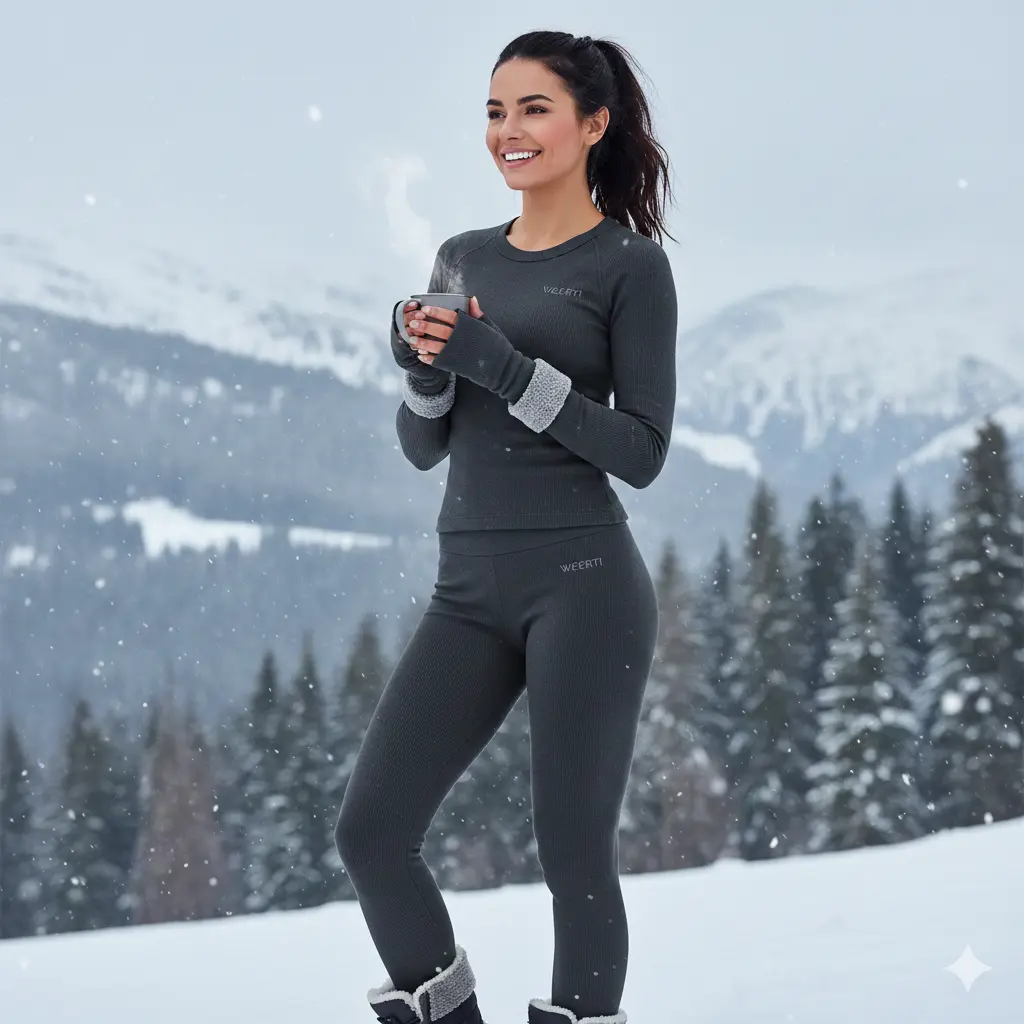
- Thermal leggings One of the most versatile and comfortable options for winter hiking pants is thermal leggings. Unlike bulky pants, thermal leggings provide excellent warmth without restricting your movement, making them ideal for both day hikes and multi-day adventures.
Why thermal leggings work so well:
- Moisture-wicking: Quality thermal leggings are made from materials like merino wool or synthetic blends that pull sweat away from your skin. This keeps you dry, which is crucial for staying warm in cold weather.
- Lightweight but warm: They trap heat close to your body without adding weight or bulk, which makes them comfortable under additional layers or alone on less severe winter days
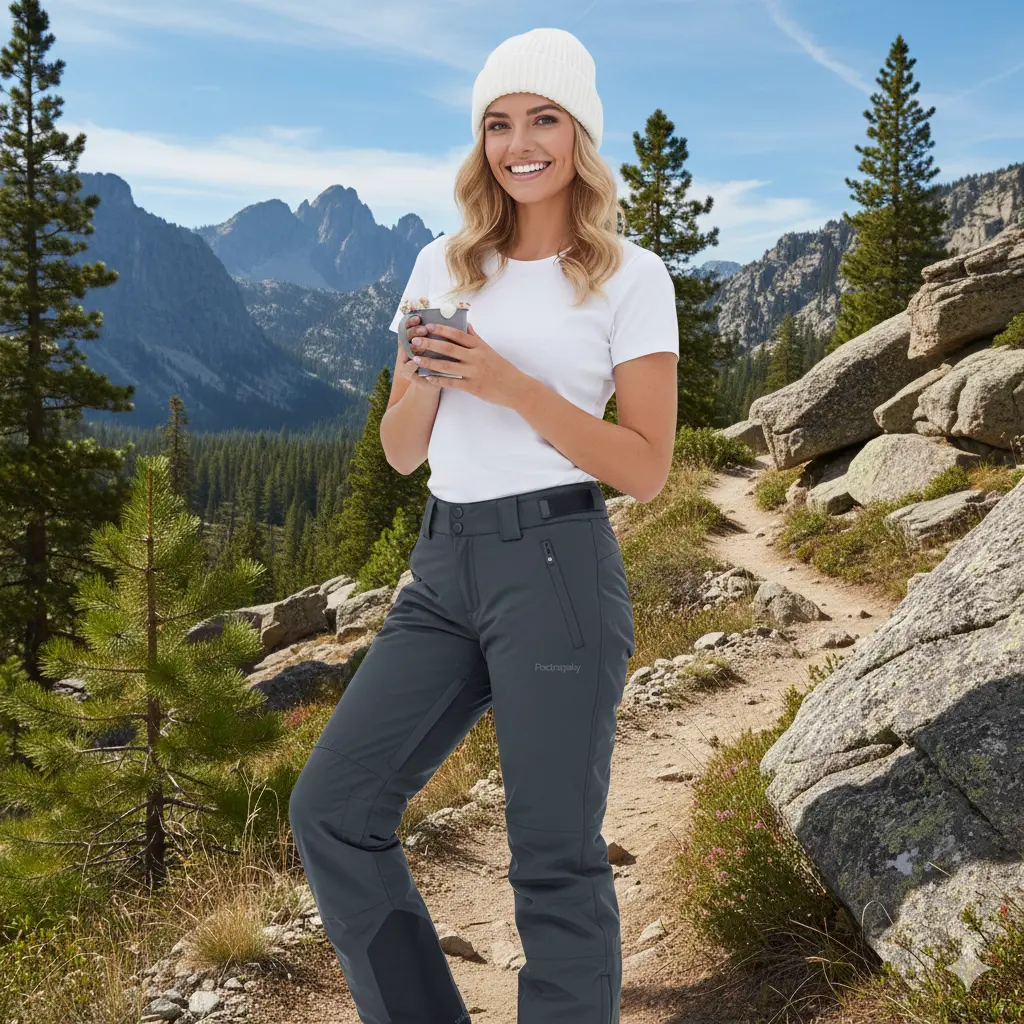
- Softshell hiking pants are a great option for winter hikers who want more protection than leggings but don’t need fully insulated pants. They’re designed to block wind and light snow while remaining breathable enough for active movement.
Why softshell hiking pants work well in winter:
- Wind-resistant fabric: Softshell pants reduce heat loss caused by cold winds, especially in exposed areas like ridgelines.
- Water resistance: While not fully waterproof, they repel light snow and moisture, keeping you comfortable in dry winter conditions.
- Stretch and mobility: Built-in stretch allows natural movement when hiking uphill, stepping over obstacles, or navigating uneven terrain.
- Durability: Softshell fabrics are more abrasion-resistant than leggings, making them ideal for rocky or brushy trails.
- Fleece-lined hiking tights are a popular winter option for hikers who prefer leggings but want extra warmth built in. They combine a stretchy outer layer with a soft fleece interior that traps heat close to the body.
Benefits of fleece-lined hiking tights:
- Superior warmth: The brushed fleece interior provides insulation without the need for extra layers.
- Comfort and flexibility: These tights move with your body, making them ideal for long hikes and varying terrain.
- Moisture control: Many fleece-lined tights use moisture-wicking fabrics to help manage sweat during high-effort hikes.
- Streamlined fit: Their close fit makes them easy to layer under shell pants if conditions become harsh.
When to choose fleece-lined hiking tights:
- Cold but mostly dry winter conditions.
- Shorter winter hikes or moderate activity levels.
- Hikers who prefer leggings over traditional pants.
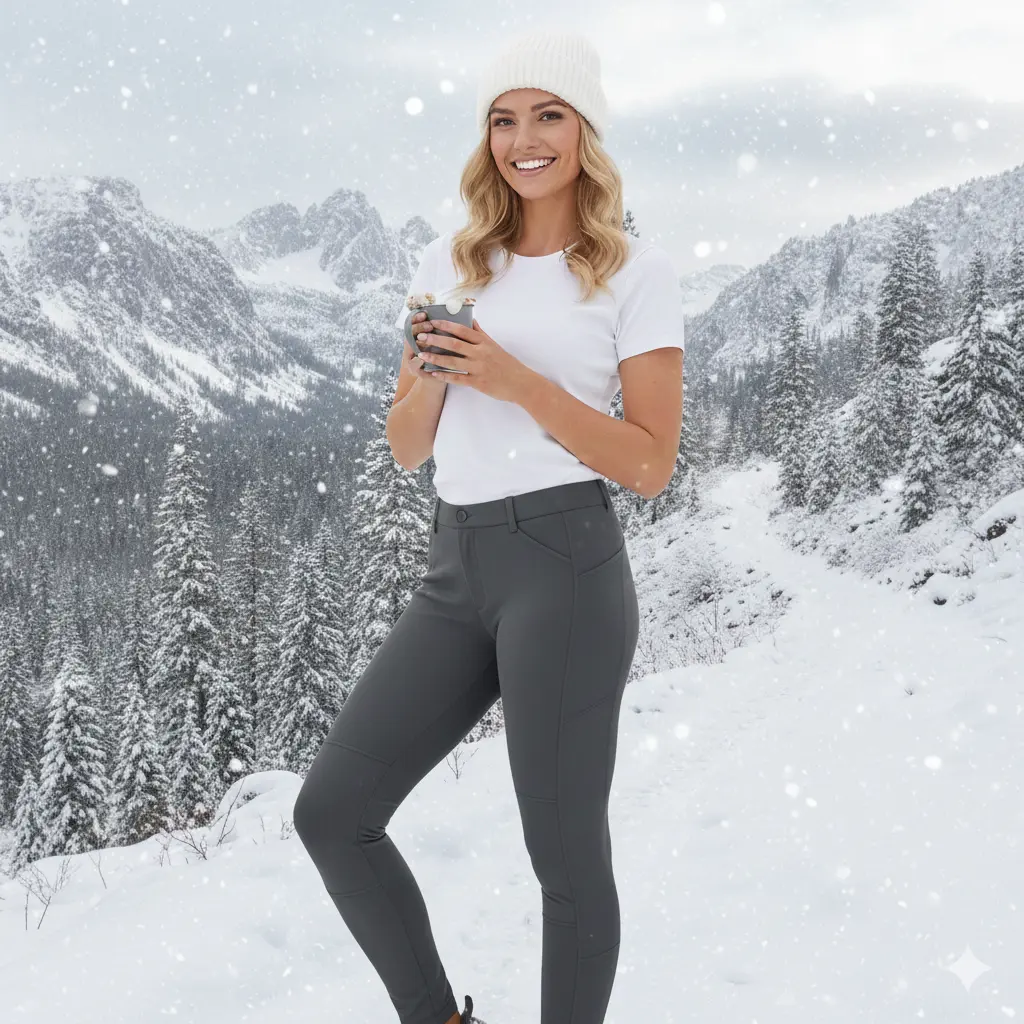
In snowy or windy conditions, adding a water-resistant outer pant can improve comfort significantly.
Winter Hiking Footwear and Socks
Hiking Boots
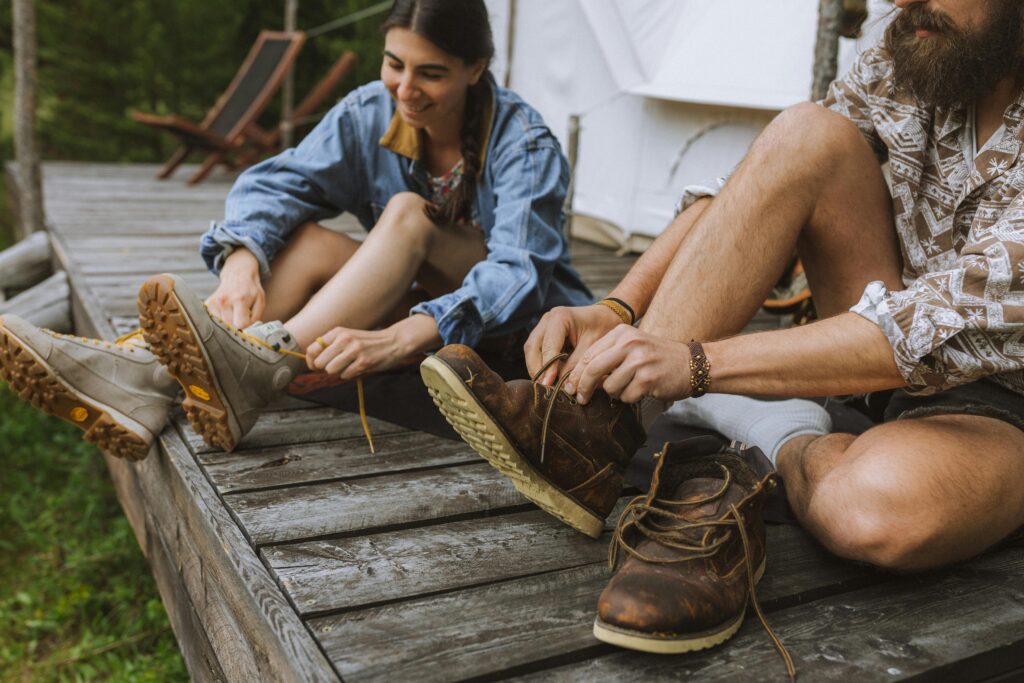
Winter hiking boots should provide traction, water resistance, and ankle support. Waterproof or Gore-Tex hiking boots are ideal for cold and wet trails.
Socks
Merino wool socks are the best choice for winter hiking. They keep your feet warm even when damp, reduce blisters, and control odor.
A slightly thicker sock adds insulation without cutting off circulation.
Essential Winter Hiking Accessories
Small accessories can make a big difference when hiking in cold weather.
- Warm hat or beanie
- Neck gaiter or buff
- Liner gloves (touchscreen-friendly)
- Insulated gloves for colder conditions
- Sunglasses to protect against snow glare
Smart Tips for Dressing on a Winter Hike
Start Cold
You should feel slightly cool when you start hiking. Your body will warm up once you begin moving.
Adjust Layers Often
Add or remove layers before you start sweating or feeling cold.
Pack Extra Warmth
Always carry an extra insulating layer for breaks or emergencies.
Take Shorter Breaks
Long breaks can cause your body temperature to drop quickly in winter.
Common Winter Hiking Clothing Mistakes
- Wearing cotton clothing
- Overdressing at the trailhead
- Ignoring wind protection
- Forgetting gloves or headwear
- Not packing extra layers
Final Thoughts: What to Wear Hiking in Winter
Knowing what to wear hiking in winter is about preparation, not expensive gear. With the right base layer, an insulating mid layer, and a protective outer shell, you can stay warm, dry, and confident on the trail.
Winter hiking is a great way to enjoy the outdoors year-round — and dressing smart makes all the difference.
Disclaimer: mytrailwear.com is a participant in the Amazon Services LLC Associates Program. These programs are designed to provide a means for websites to earn advertising fees by linking to Amazon.com and other affiliated sites, at no extra cost to you.
Please note that I only recommend products and services that I believe will provide real value to hikers and outdoor enthusiasts.