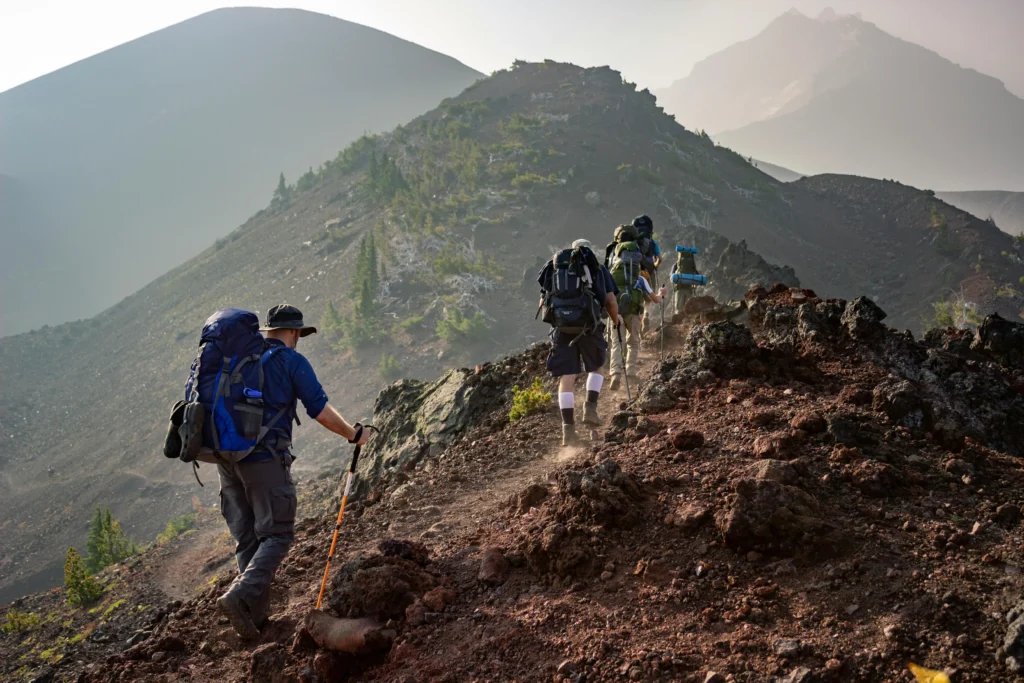
Colorado is one of those places where every trail feels like a reward. Whether you’re chasing alpine lakes, wildflower meadows, or sweeping mountain views that make you forget the word “Monday” — this state delivers.
But with hundreds of trails spread across national parks, state forests, and wilderness areas, figuring out where to actually go can feel overwhelming. That’s exactly why I put this guide together.
Below, you’ll find the 11 best hiking destinations in Colorado — covering every skill level, every season, and every type of scenery. I’ve also added honest gear notes so you arrive prepared, not regretful.
Quick tip before we dive in: Colorado weather changes fast. Even in summer, afternoon thunderstorms are common, and trails above 10,000 ft can be cold, wet, and slippery even in July. Gear up accordingly — more on that throughout.
Table of Contents
- Why Colorado Is a Hiker’s Dream
- 11 Best Hiking Destinations in Colorado
- Best Time to Hike in Colorado
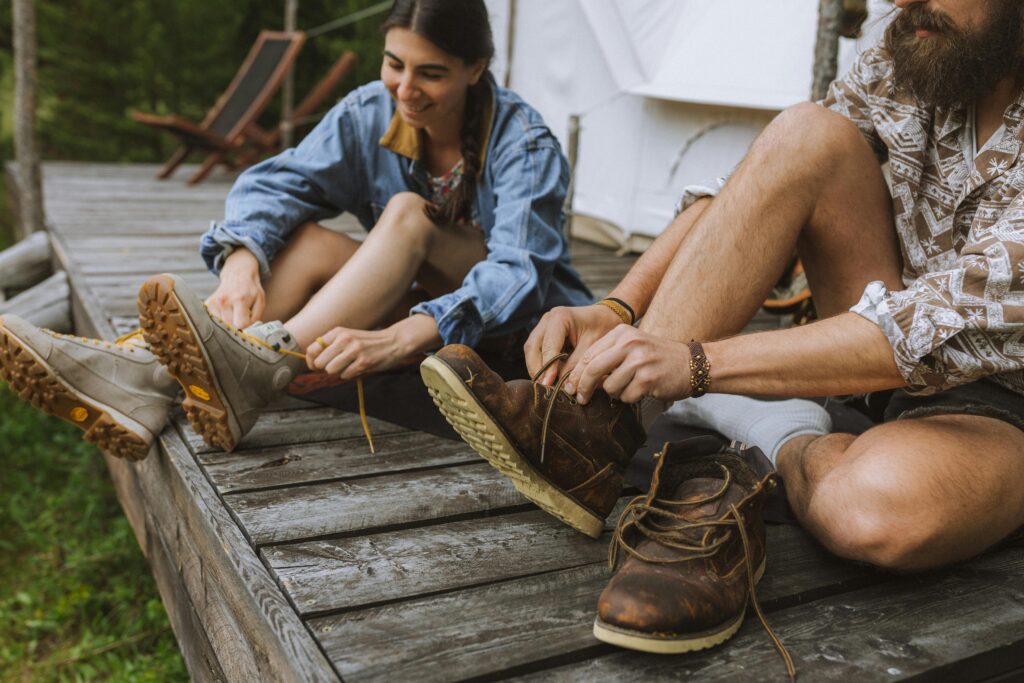
- What Shoes to Wear Hiking in Colorado
- Essential Gear Comparison Table
- Top Gear Picks for Colorado Trails
- Best Colorado Hiking Destinations for Beginners
- Frequently Asked Questions
Why Colorado Is a Hiker’s Dream
Colorado has 58 peaks over 14,000 feet — more than any other U.S. state. It has four distinct ecosystems stacked on top of each other: desert canyon, forest, subalpine meadow, and tundra. That means wildly different trail experiences within driving distance of each other.
It also means the right gear matters more here than almost anywhere else. You might start a hike in warm sunshine and end it in a hailstorm. Waterproof layers, trail-ready footwear, and a decent pack aren’t luxuries here — they’re basics.
Now let’s get into the trails.
11 Best Hiking Destinations in Colorado
1. Rocky Mountain National Park — The Crown Jewel
Best for: All levels | Distance: Varies (1 to 10+ miles) | Elevation: Up to 12,000 ft+
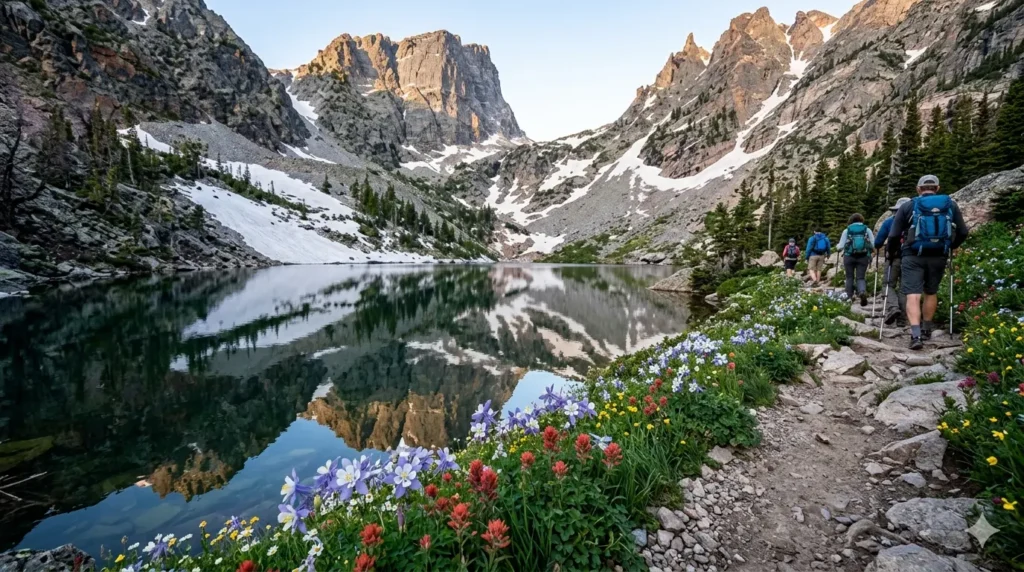
If you only hike one place in Colorado, make it RMNP. The park has trails for every ability level, from the flat, easy Sprague Lake loop (under a mile) to the challenging Sky Pond trail with its waterfall scramble and glacier lake finish.
The Emerald Lake trail is one of the most popular — 3.6 miles round trip with three stunning alpine lakes along the way. Start before 8 AM in summer to beat the crowds and snag a parking spot.
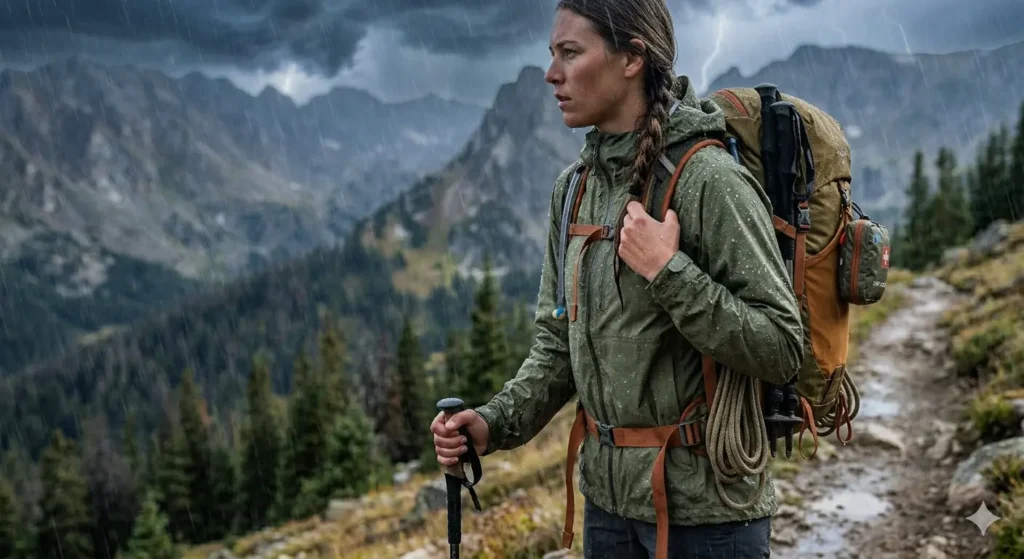
Gear note: Afternoon thunderstorms hit this park almost daily in July and August. A packable rain jacket that stuffs into your pack is non-negotiable here. If you’re doing any trail above treeline, it’s better to start early and come back down before noon.
2. Maroon Bells — The Most Photographed Spot in Colorado
Best for: Intermediate hikers | Distance: 1.9 to 10+ miles | Elevation: 9,580 ft base
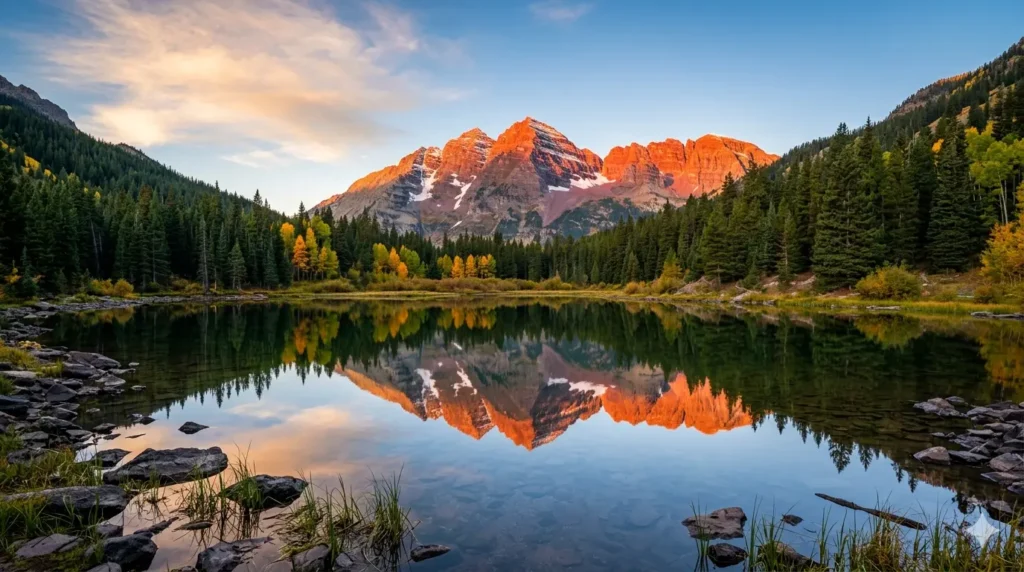
Located near Aspen, the Maroon Bells are arguably the most iconic image in all of Colorado. Two deep-red peaks reflected in Maroon Lake — it looks almost too good to be real.
The Maroon Bells Scenic Loop is 1.9 miles and very manageable. For something more challenging, the West Maroon Pass trail climbs through wildflower meadows and boulder fields to a 12,500 ft pass with views that’ll stop you mid-step.
Important: You need a reservation to drive in during peak season (late May through October). Book ahead at recreation.gov or take the shuttle from Aspen.
Gear note: The elevation here is real — even the easy loop sits at nearly 10,000 ft. Waterproof hiking shoes with ankle support are a smart choice, especially on the higher trails where snow can linger into July. See our guide on best waterproof hiking shoes for women for tested picks.
3. Garden of the Gods — Red Rocks Without the Concert
Best for: Beginners & families | Distance: 0.5 to 5 miles | Elevation: 6,400 ft
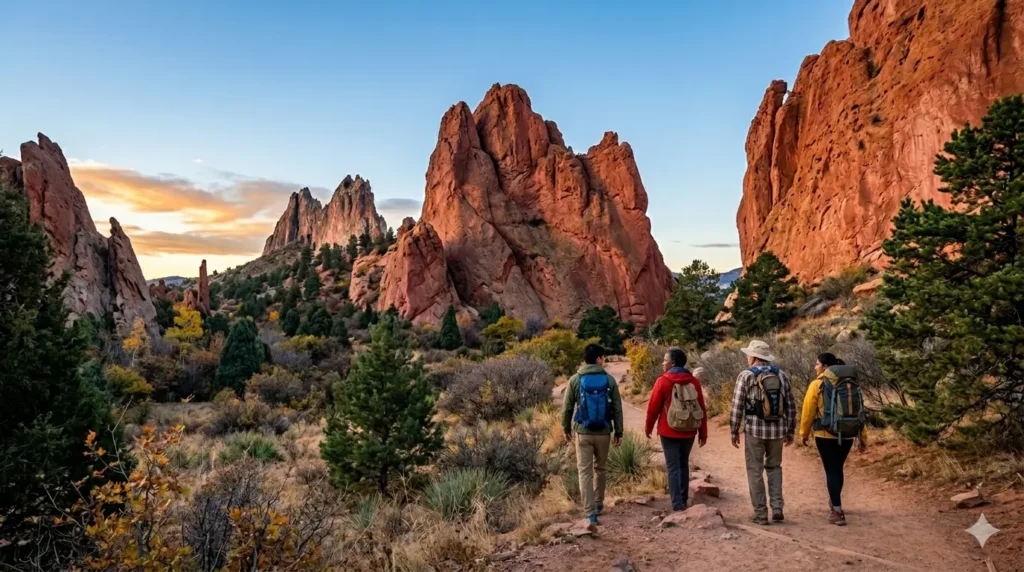
This one surprises people. Located in Colorado Springs, Garden of the Gods is free to enter, easy to hike, and absolutely jaw-dropping. The 300-foot red sandstone formations rising straight out of the ground against a backdrop of Pikes Peak don’t look real from any angle.
The Central Garden Trail (1.5 miles) is the most popular and connects the main rock formations. It’s paved in sections, making it accessible for most fitness levels. For a longer day, combine it with the Perkins Central Garden Trail for a scenic 3+ mile loop.
Gear note: The lower elevation and drier climate here means you won’t need heavy waterproofing. A good pair of wide hiking shoes with solid grip handles the sandy, rocky terrain perfectly.
4. Great Sand Dunes National Park — Colorado’s Weirdest Hike
Best for: Adventure seekers | Distance: Self-guided | Elevation: 7,500 ft base
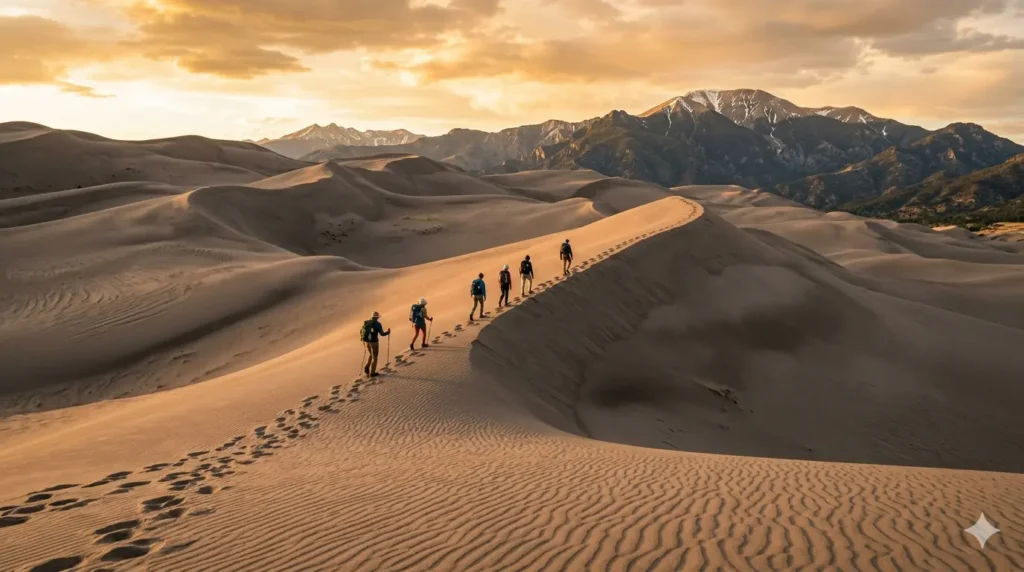
There are no marked trails here — you pick a dune and you climb it. The tallest dune in North America (Star Dune, 750 ft) sits in the middle of a mountain valley with a seasonal creek running across the base. It’s unlike anything else in the U.S.
Medano Creek runs from May through early July, creating a shallow stream you wade through to reach the dunes. Kids love it. Wear shoes you don’t mind getting wet and sandy.
Gear note: The sand gets extremely hot (up to 150°F surface temperature) midday in summer. Hike early morning or late afternoon. Bring gaiters or wear higher socks to keep sand out of your shoes.
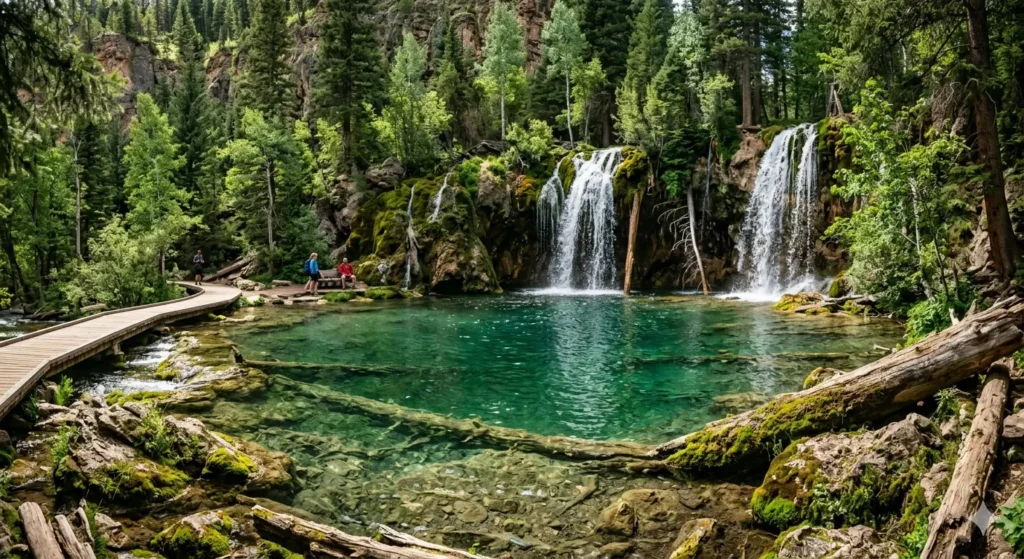
5. Hanging Lake — Worth the Permit Hassle
Best for: Intermediate hikers | Distance: 2.4 miles round trip | Elevation Gain: 1,020 ft
Hanging Lake is short, steep, and absolutely spectacular. The turquoise lake sits on a cliff ledge in Glenwood Canyon, fed by waterfalls that drop from the rocks above. It looks like something out of New Zealand.
This trail requires a permit ($16 per person) and fills up fast — book at recreation.gov at least a few weeks ahead. The climb is relentless (1,000 ft in 1.2 miles) but entirely worth it.
Gear note: The trail is rocky, rooty, and wet near the top. Waterproof hiking shoes with solid grip make a real difference here. Our comparison of waterproof vs non-waterproof hiking shoes breaks down exactly when waterproofing is worth it — this trail is a strong yes.
6. Telluride Trails — A Town Built for Hikers
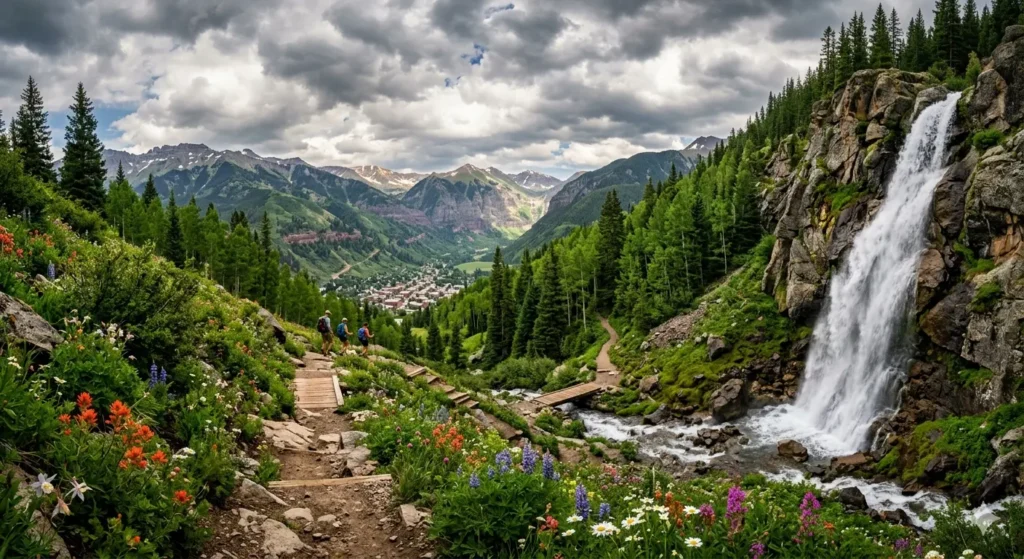
Best for: All levels | Distance: 2 to 12+ miles | Elevation: 8,750 ft base
Telluride is a ski town in winter and a hiking town in summer. Bridal Veil Falls (2 miles round trip, easy) takes you to the tallest free-falling waterfall in Colorado. Bear Creek Trail (4 miles, moderate) follows a rushing creek up through aspen groves to a waterfall overlook. The Blues Lake and Sneffels Highline trails are for experienced hikers looking for a real challenge.
The town itself is charming, walkable, and full of good food. Easy to make a full weekend out of this one.
7. Chautauqua Park, Boulder — Best Beginner Hike Near Denver
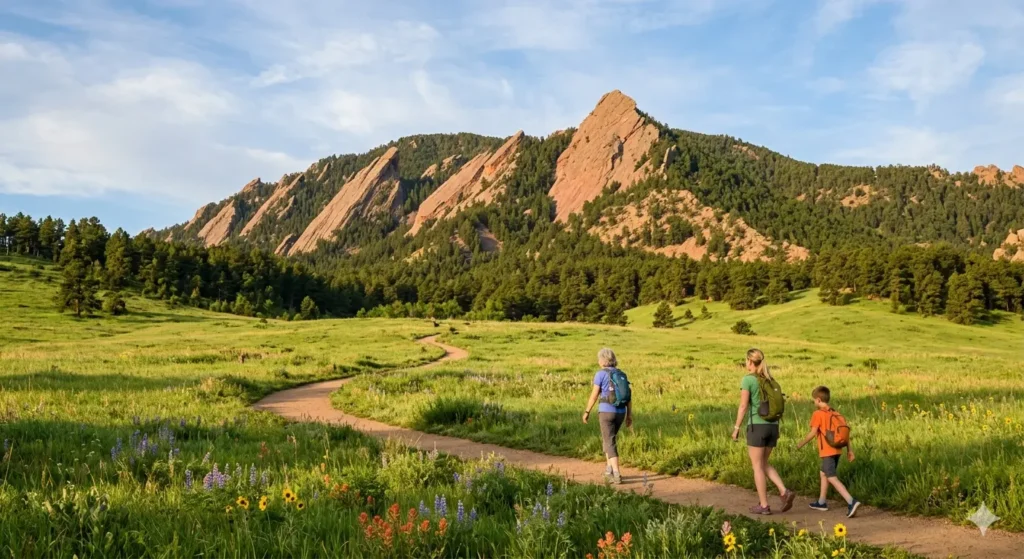
Best for: Beginners | Distance: 1 to 6 miles | Elevation: 5,900 ft
Only an hour from Denver, Chautauqua is where Coloradans bring their out-of-state friends for a first hike. The iconic Flatiron rock formations rise behind a grassy meadow, and the trail network has options for every level — from easy meadow loops to challenging scrambles up the Flatiron faces themselves.
The First Flatiron trail (3.3 miles) hits a sweet spot of challenge and views. Start early on weekends — this place fills up by 9 AM in summer.
8. Red Rocks Park & Amphitheatre — More Than Just Concerts
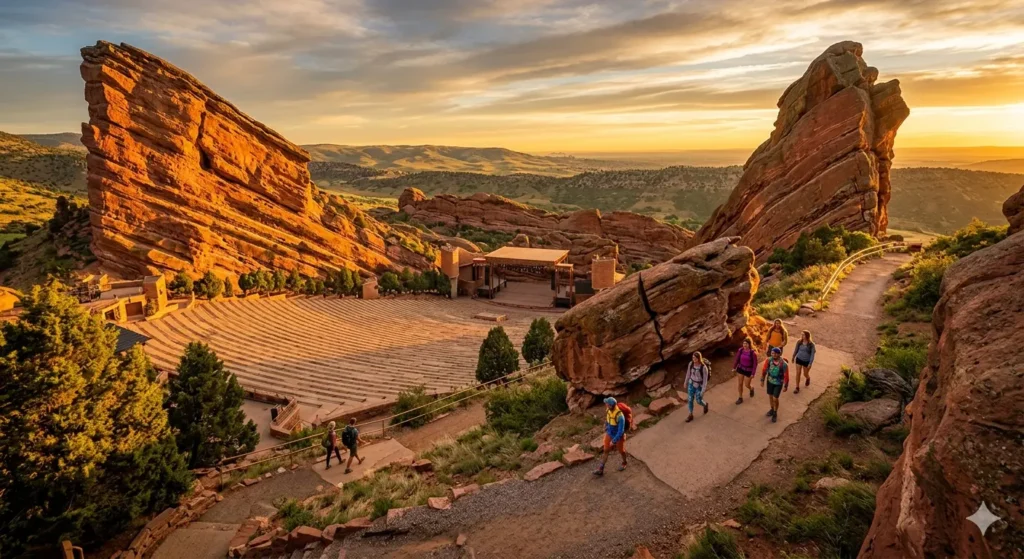
Best for: Casual hikers | Distance: 1.4 to 6+ miles | Elevation: 6,200 ft
Yes, it’s a concert venue. But the hiking around Red Rocks is genuinely excellent. The Trading Post Trail (1.4 miles) winds through the sandstone formations with surprisingly peaceful sections. The Morrison Slide Trail adds more mileage and connects to additional trails in the park.
Free to enter, 15 minutes from Denver, and one of the most visually striking landscapes in the state. Hit it on a weekday if you can.
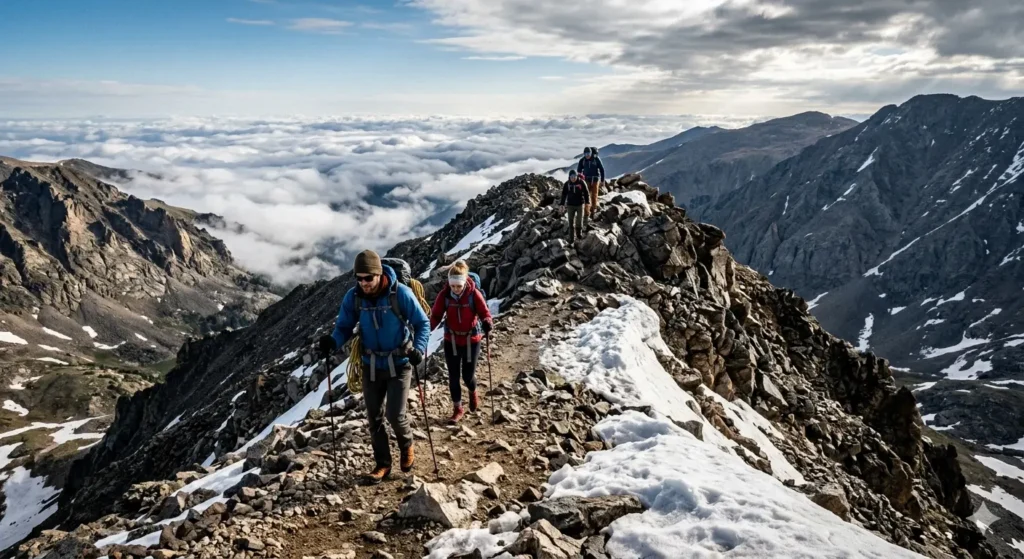
9. Mount Bierstadt — The Beginner 14er
Best for: Intermediate to advanced | Distance: 7 miles round trip | Elevation Gain: 2,850 ft
Climbing a 14,000-foot peak feels like a rite of passage in Colorado, and Bierstadt is considered one of the most accessible. It’s a legitimate challenge — 7 miles round trip with real altitude — but the route is straightforward and the views from the summit are simply unforgettable.
Start before sunrise if possible. Altitude sickness, afternoon lightning, and parking lot chaos are all very real issues if you arrive after 8 AM in summer.
Gear note: Above treeline hiking in Colorado is a serious undertaking. Lightweight waterproof hiking boots with ankle support are the right call here — not trail runners. Also layer up: summit temperatures can be 30°F colder than the trailhead.
10. Black Canyon of the Gunnison — For the Adventurous
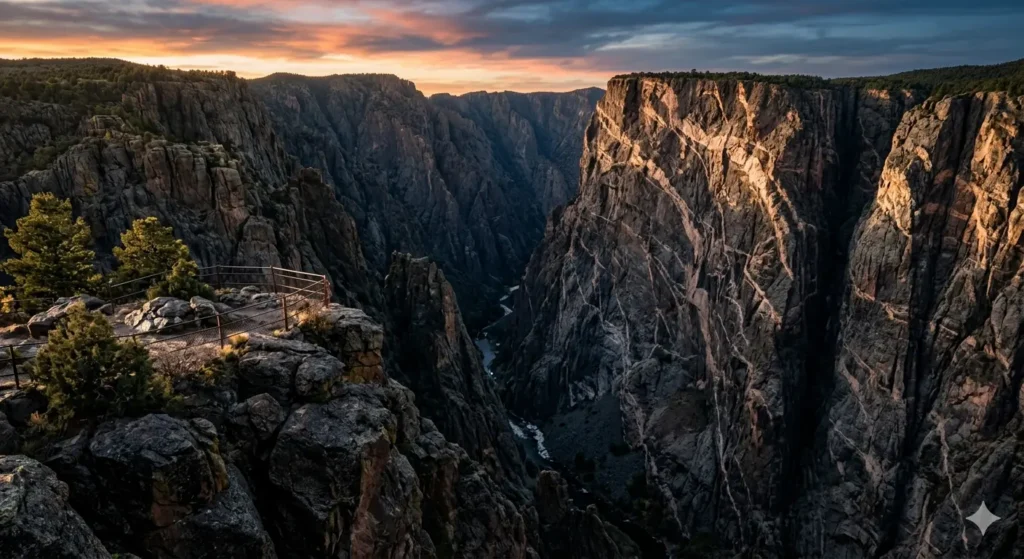
Best for: Experienced hikers | Distance: Rim walks 1–2 miles; inner canyon descents 3–5 miles | Elevation: 8,000 ft rim
One of Colorado’s lesser-visited national parks, the Black Canyon is jaw-dropping in a way that’s hard to describe. The canyon walls drop 2,700 feet in near-total darkness — it’s one of the steepest, narrowest canyons on earth.
The South Rim Drive has multiple overlook pullouts and easy short rim walks. The inner canyon routes (like Gunnison Route) are steep, unmaintained, and require a free permit — genuinely challenging and rewarding for experienced hikers.
11. Crested Butte Wildflower Trails — July’s Secret Weapon
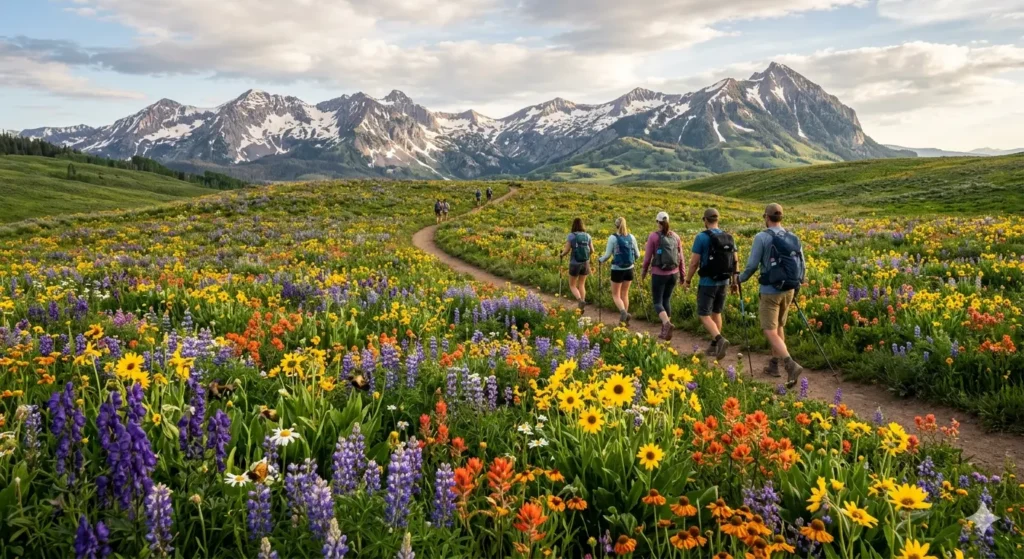
Best for: All levels | Distance: 2 to 10+ miles | Elevation: 8,900 ft base
From mid-July through early August, Crested Butte becomes Colorado’s wildflower capital. The Scarp Ridge trail and Gothic townsite area burst with color — purple columbines, orange Indian paintbrush, yellow sunflowers covering entire hillsides. The Rustler Gulch trail (8.5 miles, moderate) is considered one of the best wildflower hikes in the entire country.
This is genuinely one of those hikes that non-hikers make an exception for.
Best Time to Hike in Colorado
The honest answer: late June through September covers the sweet spot for most Colorado hiking destinations. Here’s how the seasons break down:
- Late June – July: Trails open, wildflowers peak, but afternoon thunderstorms are nearly daily above treeline. Start hikes by 7 AM and be below treeline by noon.
- August: Best overall month. Storms taper off, trails are fully snow-free, days are long and warm.
- September: Excellent. Aspen trees turn gold, crowds drop, weather is mostly sunny. Some high passes get early snow by late September.
- October: Unpredictable but beautiful. Lower elevation hikes are perfect. Higher trails may have snow and ice.
- Winter: Snowshoeing and winter hiking are fantastic in Colorado. See our full guide on what to wear hiking in winter — layering and waterproof gear are essential.
What Shoes to Wear Hiking in Colorado
This is one of the most common questions for first-time Colorado hikers, and it matters more than people expect.
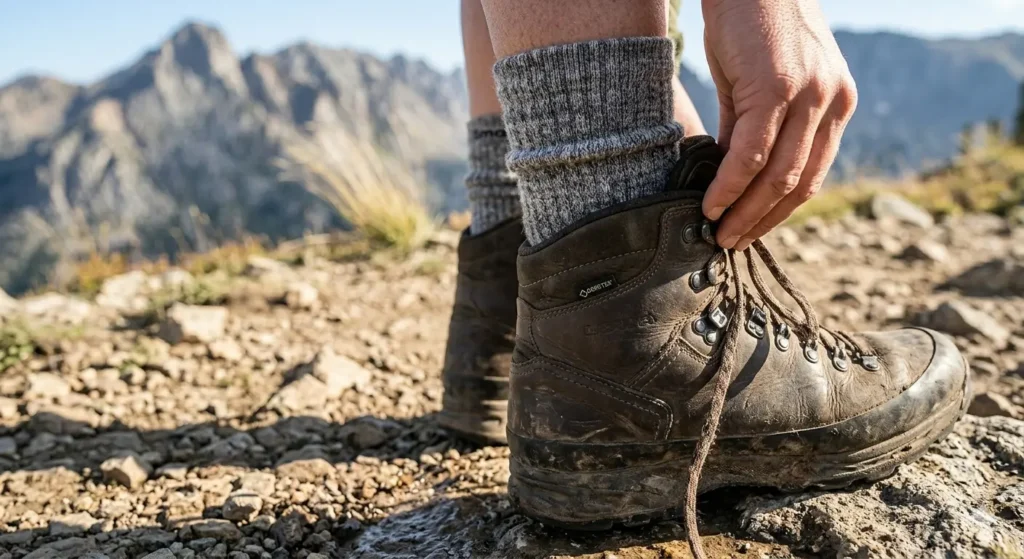
Colorado hiking involves unpredictable weather, high altitude, rocky terrain, creek crossings, and snow fields that persist into summer. Your footwear choice directly affects your safety and comfort.
- Easy day hikes (Garden of the Gods, Chautauqua meadows): Trail runners or sturdy walking shoes work fine. If you’re prone to rolling your ankles, go for a low-cut boot.
- Moderate hikes with stream crossings or wet terrain (Hanging Lake, RMNP): Waterproof hiking shoes are strongly recommended. Our detailed guide on do I need waterproof hiking shoes walks through exactly when it’s worth it.
- 14ers and high alpine routes (Mt Bierstadt, Maroon Bells high trails): Waterproof hiking boots with ankle support. No exceptions.
- Winter or early season hikes: Insulated, waterproof boots. See our tested picks in best lightweight waterproof hiking boots.
One thing specific to Colorado: even if the forecast looks clear, afternoon storms can drench a trail fast. Waterproof footwear earns its keep here even on days that start sunny.
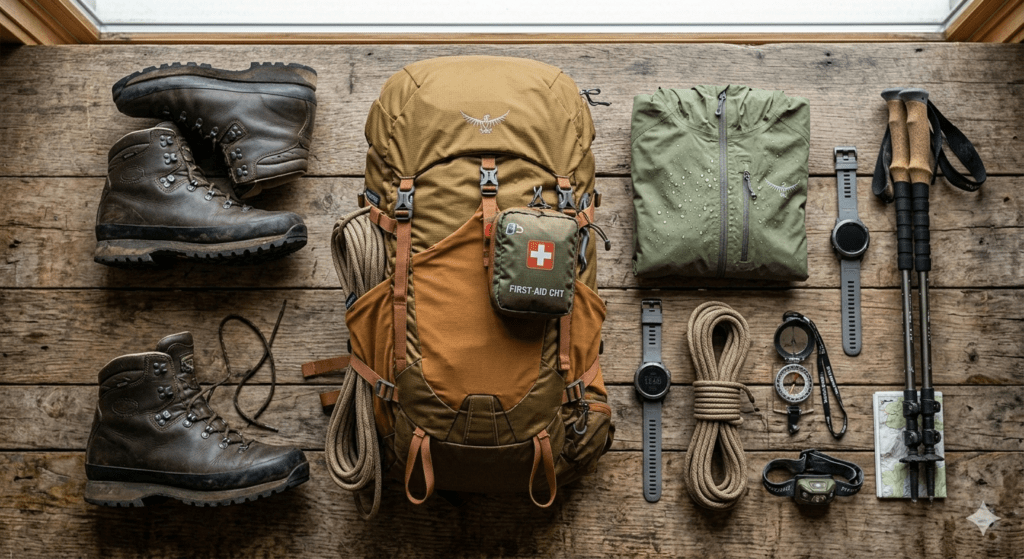
Essential Gear for Colorado Hiking — Quick Comparison
Here’s a breakdown of must-have gear for Colorado trails, what each does, and when you need it:
| Gear Item | Best For | When You Need It | Priority |
|---|---|---|---|
| Waterproof Hiking Shoes | Wet trails, creek crossings, early season | RMNP, Hanging Lake, Maroon Bells | Essential |
| Packable Rain Jacket | Afternoon storm protection | All Colorado hikes, year-round | Essential |
| Hiking Backpack | Carrying layers, water, snacks | Any hike over 2 miles | Essential |
| Moisture-Wicking Hiking Shorts | Summer hikes, breathability | Garden of Gods, Chautauqua, Red Rocks | Recommended |
| Merino Hiking Socks | Blister prevention, moisture control | All hikes — especially multi-mile days | Recommended |
| Sun Hat / Rain Hat | UV protection + rain cover | High altitude, exposed trails | Recommended |
| Trekking Poles | Knee support on descents, steep terrain | 14ers, steep mountain trails | Optional |
Top Gear Picks for Colorado Trails
These are real products with strong Amazon ratings and consistent positive reviews from hikers — easy to find and link up with your affiliate account.
Best Waterproof Hiking Shoes for Colorado
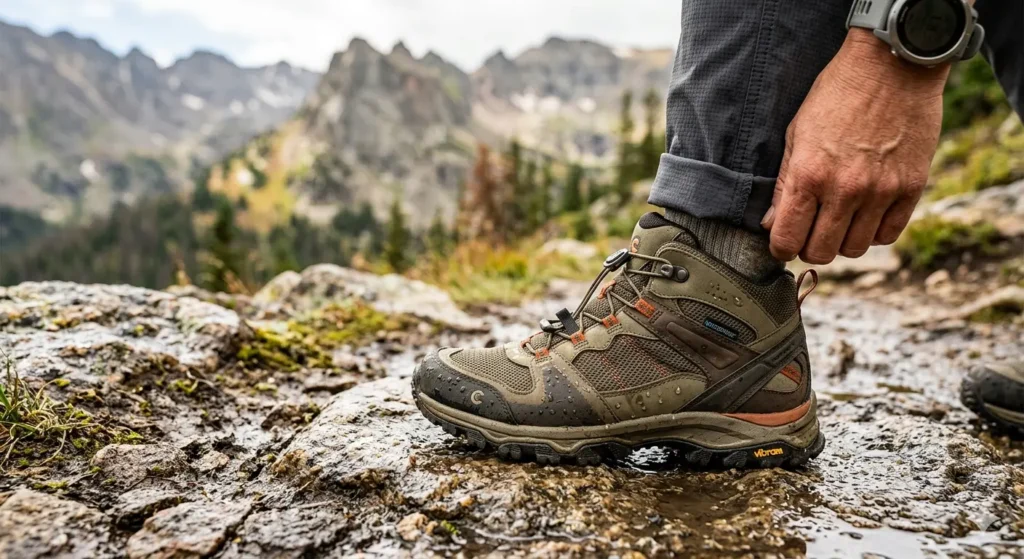
Merrell Moab 3 Waterproof (Women’s)
One of the most consistently reviewed waterproof trail shoes on Amazon. Hikers praise the wide toe box, reliable Vibram outsole on wet rock, and the Merrell Air Cushion heel that absorbs shock on uneven terrain. Thousands of 5-star reviews specifically mention Rocky Mountain trail use. Runs true to size. Available in multiple widths.
Salomon X Ultra 4 GTX (Women’s)
The Gore-Tex lining on the Salomon X Ultra 4 is genuinely waterproof — not just water-resistant. The Contagrip outsole is outstanding on slippery trail surfaces (wet rock, pine needles, mud). Reviewers frequently mention using these on 14ers and alpine trails in Colorado specifically. Lighter than most waterproof boots in its class.
➡️ See our full breakdown: Best Waterproof Hiking Shoes for Women
Best Packable Rain Jacket for Colorado Hiking
Marmot Precip Eco Jacket (Women’s)
This jacket has accumulated tens of thousands of Amazon reviews for a reason. It packs down to near-nothing, weighs under 12 oz, and actually keeps you dry in a real downpour. The NanoPro waterproofing holds up wash after wash. Colorado hikers specifically mention it for the RMNP afternoon storm scenario. Multiple colors. Great value for the protection you get.
➡️ More options: Best Women’s Packable Rain Jackets | Waterproof Rain Jackets with Hood
Best Hiking Backpack for Colorado Day Hikes
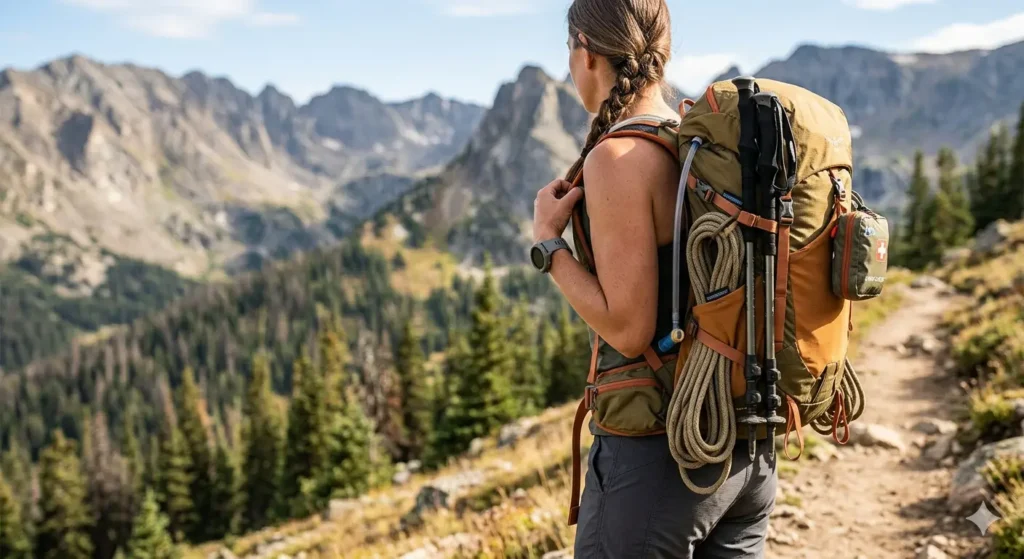
Osprey Tempest 20 (Women’s)
The Tempest 20 is the gold standard women’s day hiking pack and one of the best-reviewed hiking backpacks on Amazon. The 20L capacity is perfect for a day hike: layers, water reservoir, snacks, first aid. The women’s-specific harness fit makes a real difference for comfort on longer hikes. Reviewers consistently mention it holds up to years of trail use without issues.
➡️ Full review: Best Hiking Backpack for Women
Best Rain Hat for Colorado Sun + Storms
Sunday Afternoons Ultra Adventure Hat
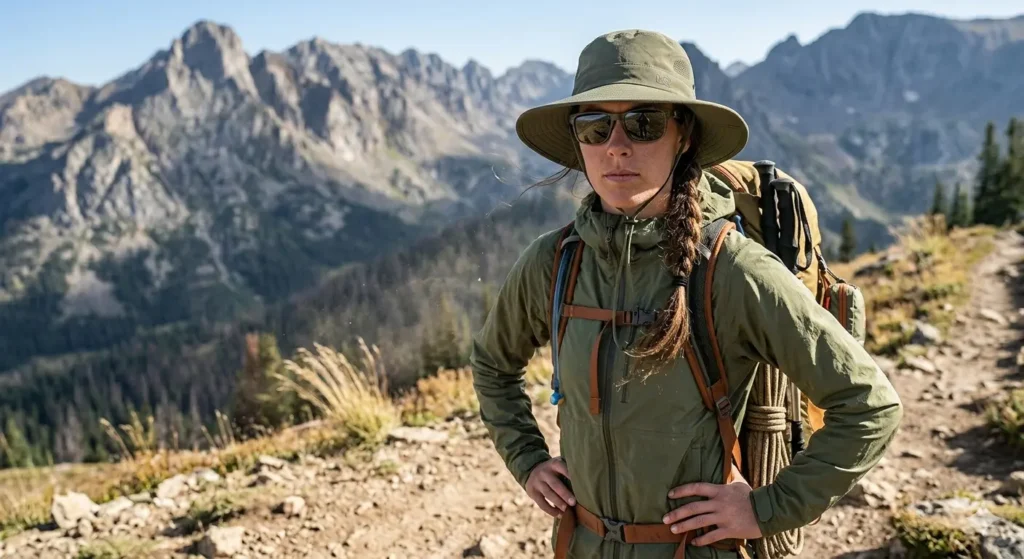
High-altitude Colorado sun is intense — you’re closer to the UV source at 12,000 ft and there’s less atmosphere filtering it. This hat has UPF 50+ protection, a packable brim, and a waterproof coating that handles light rain. Reviewers love it for outdoor use where sun and weather both show up uninvited. Adjustable cord keeps it on in wind.
➡️ More picks: Waterproof Rain Hats for Women | Best Women’s Rain Hats for Hiking
Best Colorado Hiking Destinations for Beginners
If you’re newer to hiking or bringing someone who is, these five spots give you the full Colorado experience without the risk of being in over your head:
- Garden of the Gods (Colorado Springs) — Flat, paved sections, free, stunning. Perfect first hike.
- Chautauqua Park (Boulder) — Easy lower trails with iconic Flatiron views. One hour from Denver.
- Sprague Lake Loop, RMNP — Under 1 mile, flat, wheelchair accessible, mountain views that look like a painting.
- Red Rocks Trading Post Trail — 1.4 miles, sandstone formations, free, 15 minutes from Denver.
- Tenderfoot Trail (Frisco) — 2.6 miles, Lake Dillon views, manageable elevation gain.
New to hiking entirely? Our guide on what to wear hiking for women covers everything from base layers to footwear in one place. And if you’re wondering whether trail shoes are worth it versus regular sneakers, this guide on how trail shoes should fit is a good read before you buy.
Frequently Asked Questions
What are the most popular hiking destinations in Colorado?
Rocky Mountain National Park, Maroon Bells, Garden of the Gods, Hanging Lake, and Chautauqua Park in Boulder consistently rank as the most visited. All five offer something different — from alpine lakes to red rock canyons — and are accessible to most hikers.
Do I need waterproof hiking shoes in Colorado?
For most Colorado trails, yes. Even in summer, afternoon thunderstorms, stream crossings, and snow fields above 10,000 ft make waterproof footwear practical rather than optional. Read our full breakdown: Waterproof vs Non-Waterproof Hiking Shoes.
When is the best time to visit Colorado for hiking?
August is the best single month for hiking in Colorado — most trails are snow-free, afternoon storm frequency drops, and the days are long. Late June through September overall is the prime hiking window.
Are Colorado hikes safe for beginners?
Many are — especially at lower elevations. The main risks for beginners are altitude (start below 9,000 ft if you’re not acclimatized), afternoon lightning (start early, be below treeline by noon), and underestimating cold (always bring a layer even in summer).
What should I pack for a day hike in Colorado?
The essentials: 2+ liters of water, snacks, a packable rain jacket, sunscreen, a first aid kit, and a map or downloaded AllTrails route. For footwear, waterproof hiking shoes for most trails. For higher altitude routes, add extra layers, sunglasses, and lip balm — altitude dryness is surprisingly intense.
Final Thoughts
Colorado isn’t short on incredible places to hike. From the thundering waterfalls of Glenwood Canyon to the alien sandscapes of Great Sand Dunes to the towering peaks of Rocky Mountain National Park — this state genuinely rewards every effort you put into reaching a trailhead.
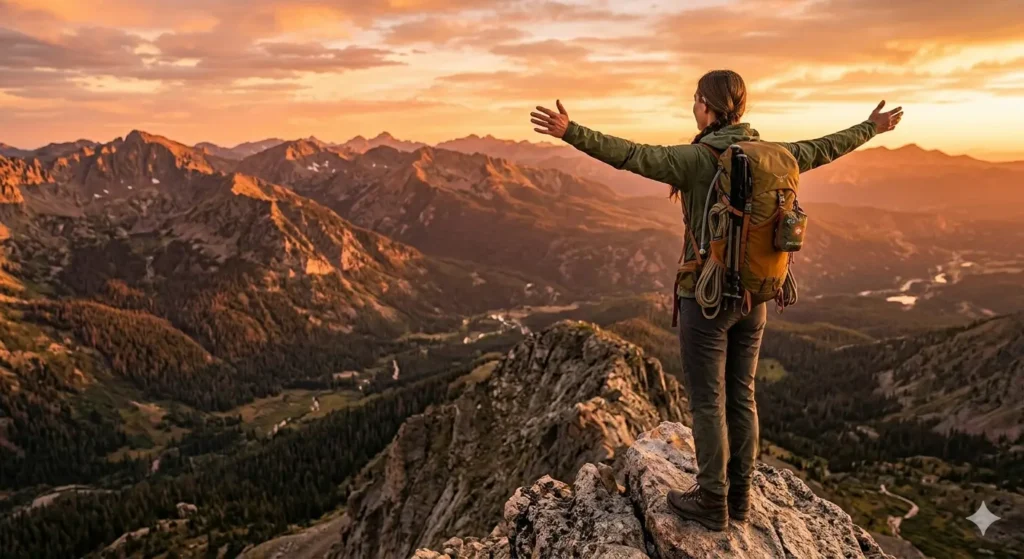
The one thing that makes every hike better? Showing up prepared. The right shoes, a rain jacket that actually works, a pack that fits — these aren’t afterthoughts in Colorado, they’re what separates a great day from a rough one.
If you found this guide helpful, explore our full range of women’s trail gear reviews and guides at mytrailwear.com. Happy hiking.
Disclosure: This post contains affiliate links. If you purchase through our links, we may earn a small commission at no extra cost to you. We only recommend gear we genuinely stand behind.