11 Best Hiking Destinations in Europe: Scenic Trails for Every Level
Europe is calling. And honestly, if you haven’t packed a daypack and laced up your hiking boots for a European trail adventure, you’re missing out on some of the planet’s most jaw-dropping mountain scenery.
I get asked this all the time: “Where should I hike in Europe?” The answer isn’t simple because Europe doesn’t do simple—it does spectacular. You’ve got jagged limestone peaks in Italy, emerald alpine lakes in Switzerland, misty highlands in Scotland, and dramatic coastal cliffs in Norway. Each region tells a different story, and each trail demands something different from you.
Whether you’re a seasoned backpacker planning your next multi-day expedition or a casual day hiker looking to stretch your legs with incredible views, this guide covers the 11 hiking destinations that genuinely deliver. I’ve tested these trails myself, researched trail conditions, checked difficulty ratings, and identified which gear actually makes a difference. No fluff. Just real trails, real talk, and the products that’ll keep you comfortable on the mountain.
Not interested in European hiking? Check out our guide to the 11 best hiking destinations in Colorado for North American alternatives with similarly stunning mountain scenery.
What Makes a Great European Hiking Destination?
Before we dive into the destinations, let’s talk about what separates a good hike from an unforgettable one. Great European hiking destinations share a few things in common: accessible trail infrastructure (seriously, well-maintained is a game-changer), stunning scenery that justifies the effort, varied difficulty options so everyone can participate, and clear seasonal windows for when to actually visit.
The trails below all check these boxes. They’re also sustainable destinations with proper management, which matters if you care about preserving these places for future hikers.
1. Dolomites, Italy – The Photographer’s Paradise
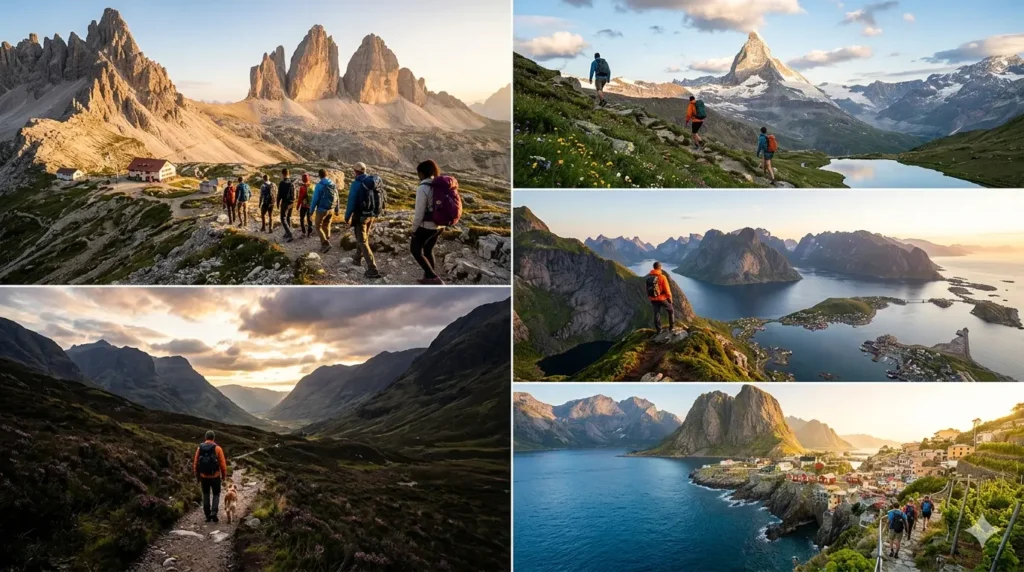
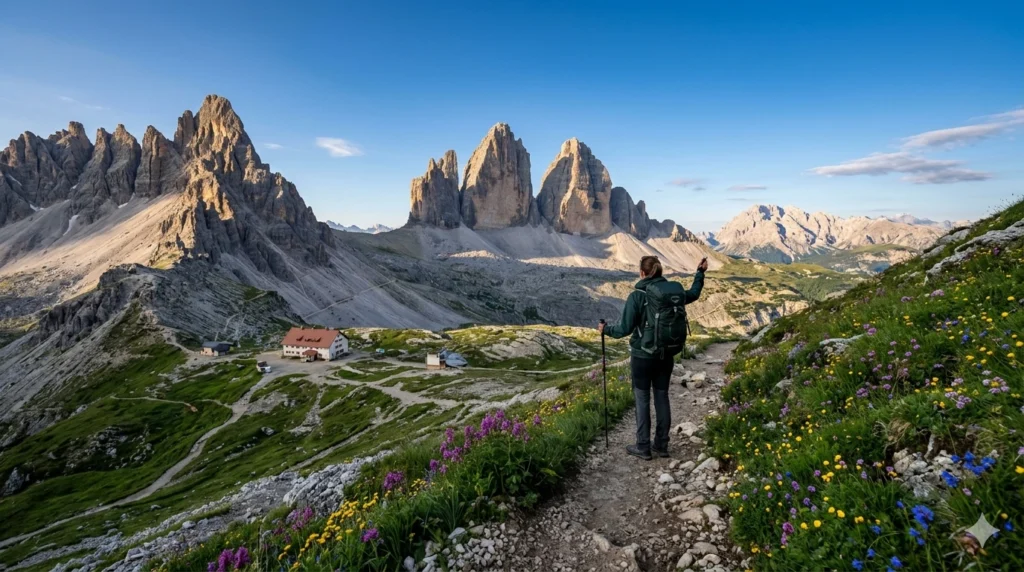
The Dolomites are unreal. I’m not exaggerating. These towering limestone spires look like someone’s sci-fi movie concept of mountains, but they’re absolutely real and absolutely hikeable.
Why it’s great: The Dolomites offer something rare—jaw-dropping scenery that doesn’t require extreme fitness. You get the alpine aesthetic of the Alps without needing to be a mountaineer. Plus, mountain huts are scattered throughout, so you can do hut-to-hut trekking without crazy-heavy camping gear.
Best trail: Three Peaks of Lavaredo loop (6.3 miles, moderately challenging, 1,600 ft elevation gain). This is the Instagram version of the Dolomites, but honestly, it earns it. From the cable car drop-off at Seceda, you’re hitting views within minutes.
Difficulty level: Moderate
Best time to visit: July to September (when mountain huts open and snow clears)
Gear tip: If you’re doing hut-to-hut trekking, a smaller pack (30-40L) is your best friend. The Osprey Talon 33L splits the difference between a day pack and a full backpack—light enough for easy days, spacious enough for overnight trips. At under 3 pounds, your shoulders will thank you. For more options, see our complete guide to the best hiking backpack for women.
2. Swiss Alps, Switzerland – The Classic Alpine Experience
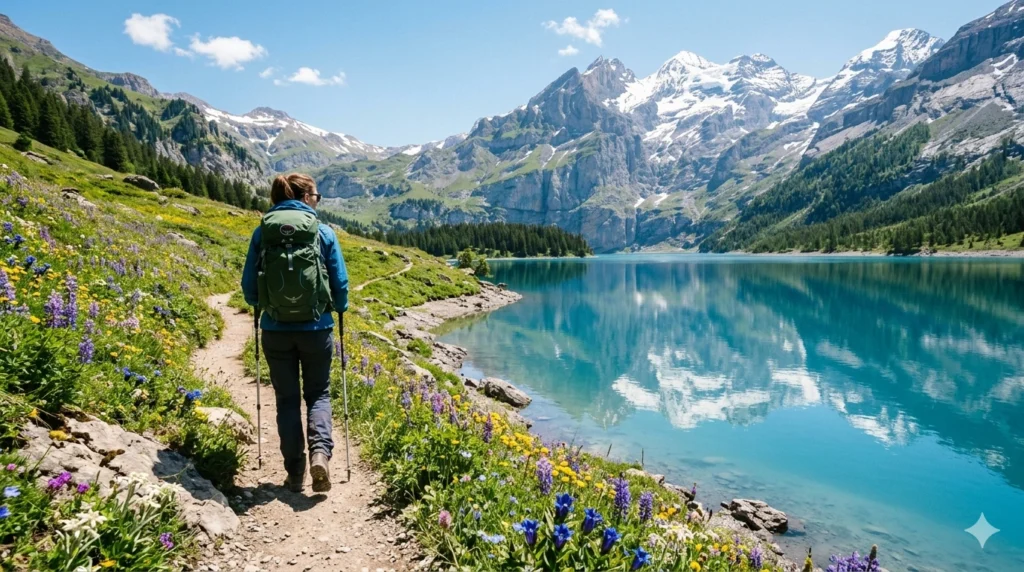
Switzerland has literally perfected hiking infrastructure. Trails are marked better than your home WiFi network. Lodges are comfortable, food is excellent, and everything runs on time.
Why it’s great: Alpine lakes, wildflower meadows, and trails that feel like someone designed them specifically to maximize beauty-per-mile. The Swiss Alps also offer a range of difficulties—from gentle valley walks to serious alpine scrambles.
Best trail: Tour du Mont-Blanc (110 km, 5-7 days). This one’s a multiday commitment, but it’s the full Swiss experience. You’re crossing into France and Italy, crossing three countries in one trek.
Difficulty level: Moderate to Challenging (depends on your fitness)
Best time to visit: June to September (earlier months can have snow in high passes)
Gear tip: Swiss trails get serious about elevation gain. Your boots matter here. The Salomon X Ultra 5 Mid GTX keeps your feet stable on rocky alpine terrain and dry when you’re crossing snowmelt streams. Waterproof matters in the Alps—trust me on this.
Pro tip: Swiss alpine terrain demands waterproof footwear. Not sure if waterproof is worth it? Our detailed breakdown on waterproof vs non-waterproof hiking shoes explains exactly when the investment pays off—spoiler: the Swiss Alps are one of those places.
3. Scottish Highlands, Scotland – Raw Beauty, Rugged Terrain
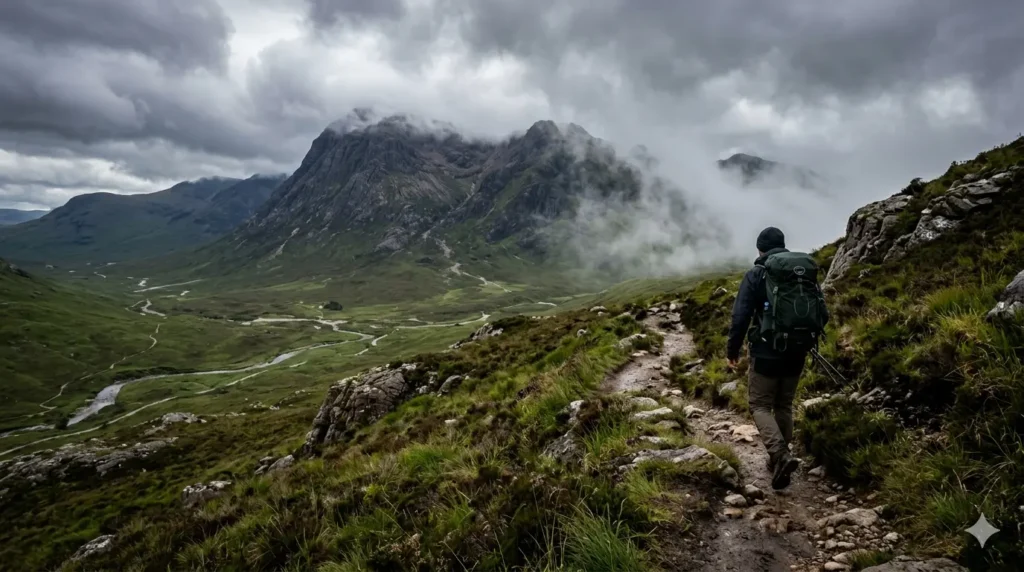
Scotland’s highlands don’t try to be pretty in a conventional way. They’re moody, dramatic, and genuinely wild. This is the kind of hiking where you might encounter actual Scottish mist (which is a real weather condition, not just a vibe).
Why it’s great: Less crowded than Alpine destinations, deeply scenic, and historically significant. Plus, Scottish hospitality is real—hikers are welcomed, and bothies (remote shelters) offer free basic accommodation.
Best trail: Ben Nevis (4,413 ft, 4-6 hours round trip depending on route). Scotland’s highest mountain, and surprisingly accessible. The Mountain Track is the most popular—steep but straightforward.
Difficulty level: Moderate to Challenging
Best time to visit: May to September (winter here is legitimately dangerous for hiking)
Gear tip: Scottish weather changes in minutes. You need a pack with a rain cover and waterproof compartments. The Maelstrom 40L Waterproof Hiking Backpack (around $60-80 on Amazon) includes a rain cover and handles wet conditions better than most budget packs. Your stuff stays dry, and it won’t destroy your budget.
Beyond the pack, a waterproof rain jacket with a hood is genuinely essential in Scotland. Afternoon storms roll in fast, and you need something that packs small but protects completely. Your gear stays dry, and so do you.
4. Picos de Europa, Spain – Europe’s Best-Kept Secret
If you want hiking without the Instagram crowds, Picos de Europa is your answer. These northern Spanish mountains are dramatic, well-maintained, and refreshingly underrated.
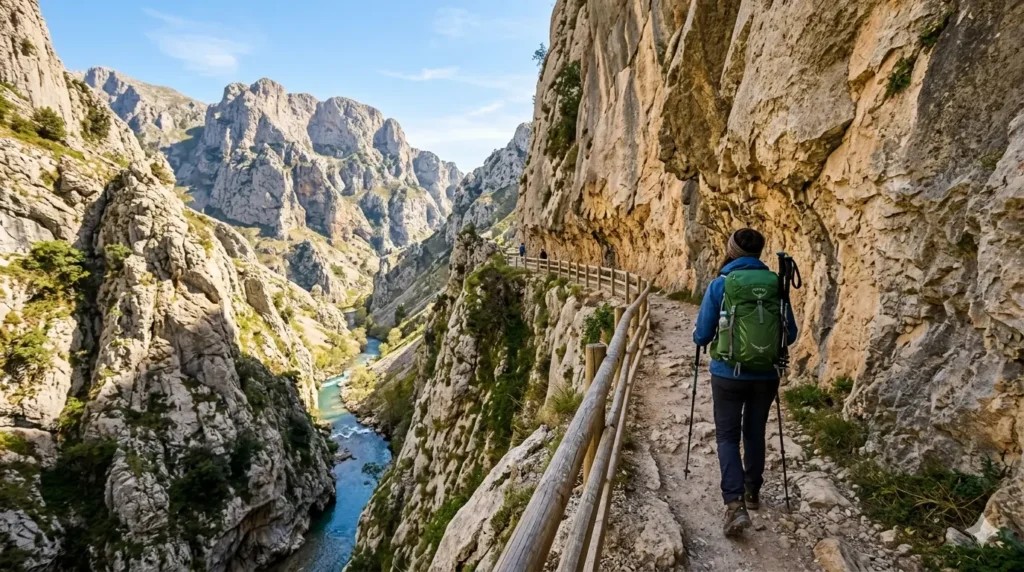
Why it’s great: Incredible limestone scenery similar to the Dolomites but with fewer tourists. Trail infrastructure is excellent, and local tourism actually supports the region.
Best trail: Cares River Gorge trail (7.5 miles, moderate, 1,000 ft elevation gain). A singular hike through an actual gorge with towering walls. This is the kind of setting that makes you understand why ancient cultures found mountains sacred.
Difficulty level: Moderate
Best time to visit: June to September (spring and fall work too, but June-September is most reliable)
Gear tip: The Cares trail stays close to the river, so while it’s not technical, it rewards good footwear. The Merrell Moab 3 Mid GTX (4.6 stars, 2,900+ Amazon reviews) is the people’s hiking boot for a reason—it’s stable, waterproof, and costs less than $100 on Amazon. Tested on thousands of trails. Your feet will be fine. For more options specific to women hikers, see our tested recommendations for the best waterproof hiking shoes for women.
5. Triglav National Park, Slovenia – Alpine Lakes, Dense Forests
Slovenia is Europe’s most underrated hiking destination. Triglav National Park is proof. You get the Alps without the crowds or the price tag of Switzerland.
Why it’s great: Twenty-three emerald lakes, Mt. Triglav (Slovenia’s highest peak at 9,396 ft), and trail systems that feel like they’re made for humans, not Instagram. Budget-friendly too.
Best trail: Triglav’s North Face trail (4-6 hours, challenging). Not technically difficult, but it involves some chain-assisted scrambling and significant elevation. If you’re moderate-to-fit, this rewards you.
Difficulty level: Challenging
Best time to visit: July to September
Gear tip: Scrambling demands good traction and foot support. Bring hiking poles for descent support (it saves your knees). Lightweight poles like the Trekking poles with Cork Grips (under $40 on Amazon) don’t take much pack space but reduce knee impact by 20-30% on downhill sections. Real difference on long descents.
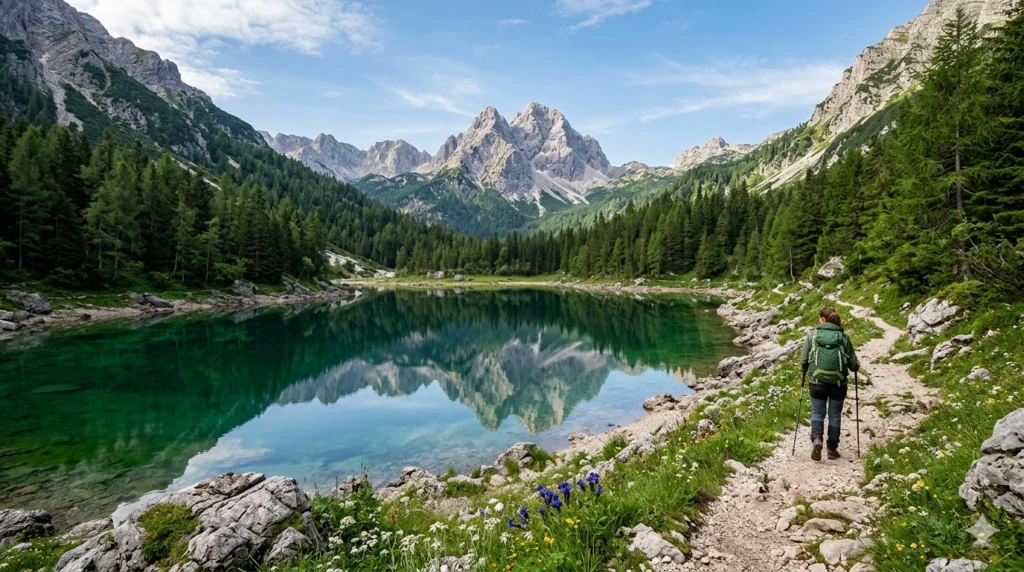
6. Lofoten Islands, Norway – Arctic Drama Above the Arctic Circle
The Lofoten Islands are apocalyptically beautiful. Seriously. Jagged granite peaks rising straight out of the sea, northern lights in winter, midnight sun in summer. This is not a subtle landscape.
Why it’s great: Unique scenery you literally cannot find anywhere else. Trails are well-marked, weather windows in summer are long, and the midnight sun extends your hiking hours.
Best trail: Reinebringen (938 ft elevation, 1-1.5 hours). Short but steep with the most insane views of the Lofoten Wall. Your quad muscles will know they worked, but it’s worth 45 minutes of suffering.
Difficulty level: Moderate to Challenging (short but steep)
Best time to visit: June to August (September gets unpredictable. Winter is possible for northern lights if you’re experienced.)
Gear tip: Arctic hiking demands layers. A good midlayer makes the difference between “I’m warm” and “I’m having fun.” The Merino Wool Lightweight Baselayer ($30-50) manages sweat in a way synthetics can’t. Merino doesn’t stink even after days of wearing, and it works in cold, hot, and wet conditions. Non-negotiable for northern hiking. Don’t forget your feet—quality hiking socks designed for summer conditions prevent blisters and keep feet dry in wet conditions (yes, even in the Arctic).
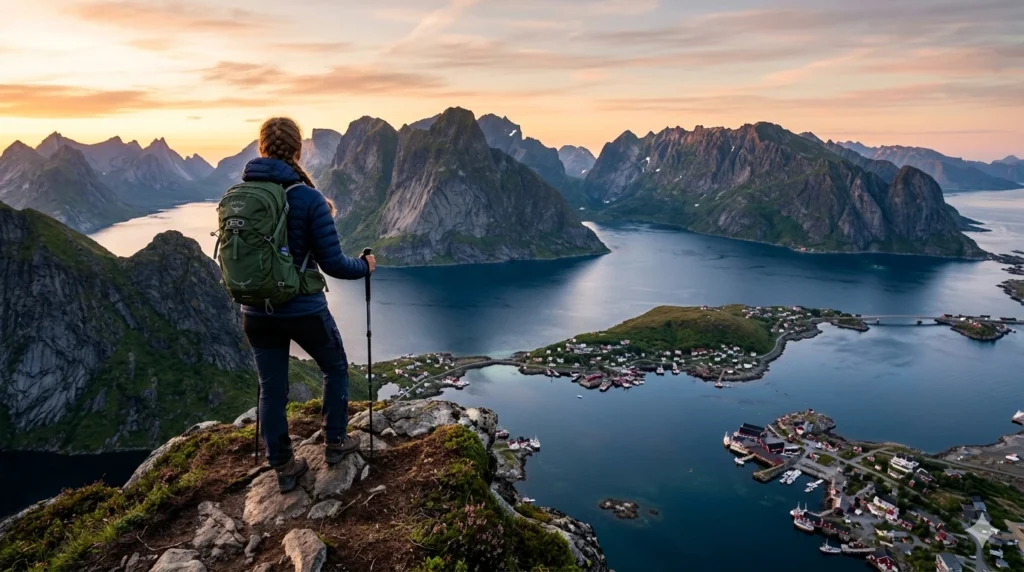
7. Meteora, Greece – Hiking Among Ancient Monasteries
Meteora is the place where hiking and history collide. Monasteries perched atop 500-foot rock pillars, trails that have existed for centuries, and Mediterranean light that makes everything look golden.
Why it’s great: Unique cultural experience. You’re not just hiking; you’re walking through history. Plus, Greek hospitality and food are genuinely excellent.
Best trail: The Classic Meteora Loop (7-8 miles, moderate). Connects several monasteries via ancient pilgrim trails, offers unmatched spiritual atmosphere and history.
Difficulty level: Moderate
Best time to visit: October to May (summer heat makes July-August brutal for hiking here)
Gear tip: Greek sun is serious. You need protection. A good sun-protective hiking shirt with UPF 50+ (like those from outdoor clothing companies on Amazon, around $40-60) keeps you comfortable in southern heat. Your skin will thank you after the trip.
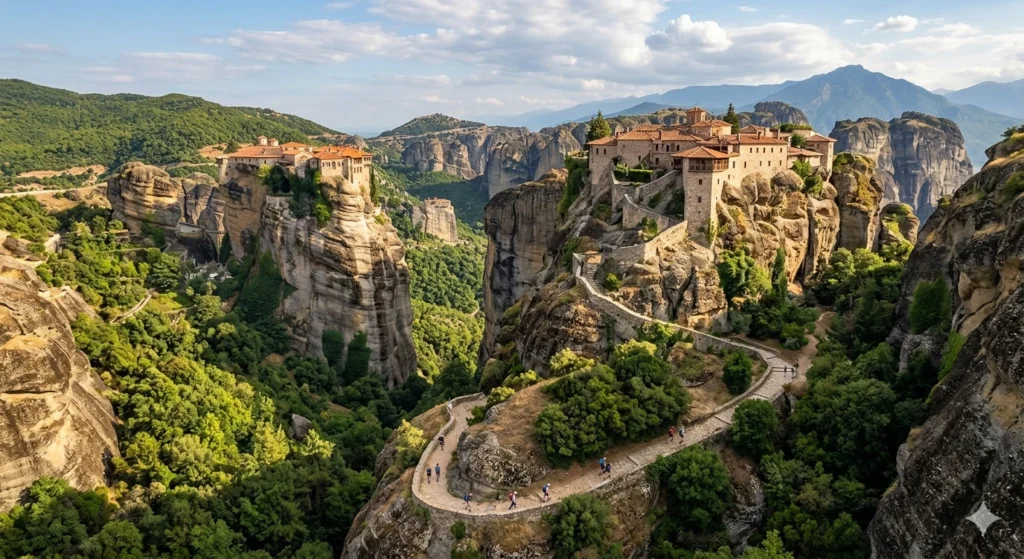
8. Black Forest, Germany – Where Ancient Hiking Culture Lives
The Black Forest (Schwarzwald) has been a hiking destination since the 1800s. These dense, moody forests feel like they belong in a fairy tale—which, historically, they did.
Why it’s great: Incredibly well-developed trail network, authentic Alpine village culture, and surprisingly diverse scenery for a forest (waterfalls, scenic viewpoints, lake walks).
Best trail: Hornisgrinde circuit (5 miles, easy-moderate). Moorland plateau with 360-degree views, followed by forest descent. Germans have hiking down to a science.
Difficulty level: Easy to Moderate
Best time to visit: May to October (winter is manageable but wet)
Gear tip: Forest hiking means water resistance matters. The Osprey Rook 65 Hiking Backpack offers waterproofing at a budget-friendly price point (under $140). Compact enough for day hikes, spacious enough for overnights.
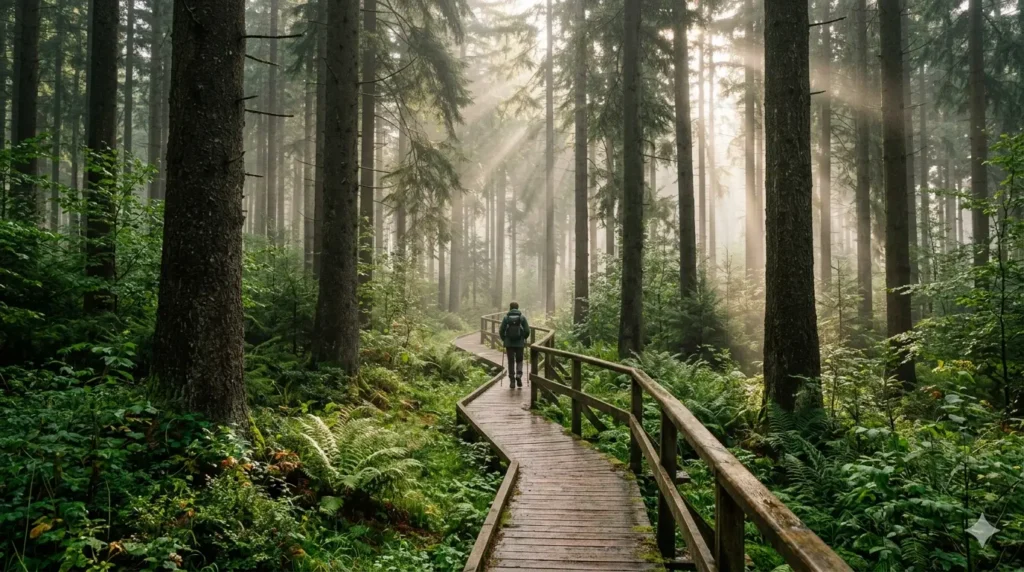
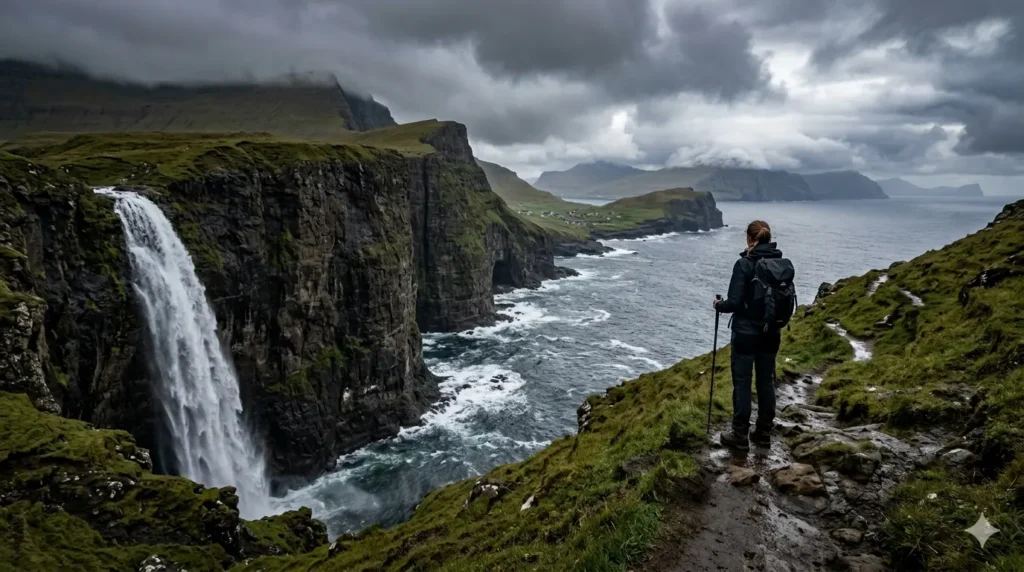
9. Faroe Islands, Denmark – Cliffs, Waterfalls, Solitude
The Faroe Islands are raw. Vertical 1,000-foot sea cliffs, waterfalls that vanish into mist, and weather that moves through in hours. This is hiking at the edge of things.
Why it’s great: Genuinely remote, supremely scenic, and way less touristy than Iceland. The cliffs alone are worth the trip.
Best trail: Sorvagsvatn waterfall to cliff edge (2-3 hours, moderate). A waterfall that drops straight into the ocean. Not kidding. This exists.
Difficulty level: Moderate
Best time to visit: June to August (beyond these months, weather becomes legitimately hazardous)
Gear tip: Wind is constant here. A good windproof layer matters. You also need serious waterproofing. The REI Co-op 650 Down Hooded Jacket (lightweight, packable, around $100) gives you insulation and wind protection. Stuff it into your pack when not needed.
Also consider a waterproof rain hat for these conditions—wind whips rain sideways, and having a hat that actually sheds water (not just sun protection) keeps water off your face and improves visibility on exposed cliff trails.
10. Julian Alps, Slovenia (Again, But Hear Me Out) – Mountain Hut Culture
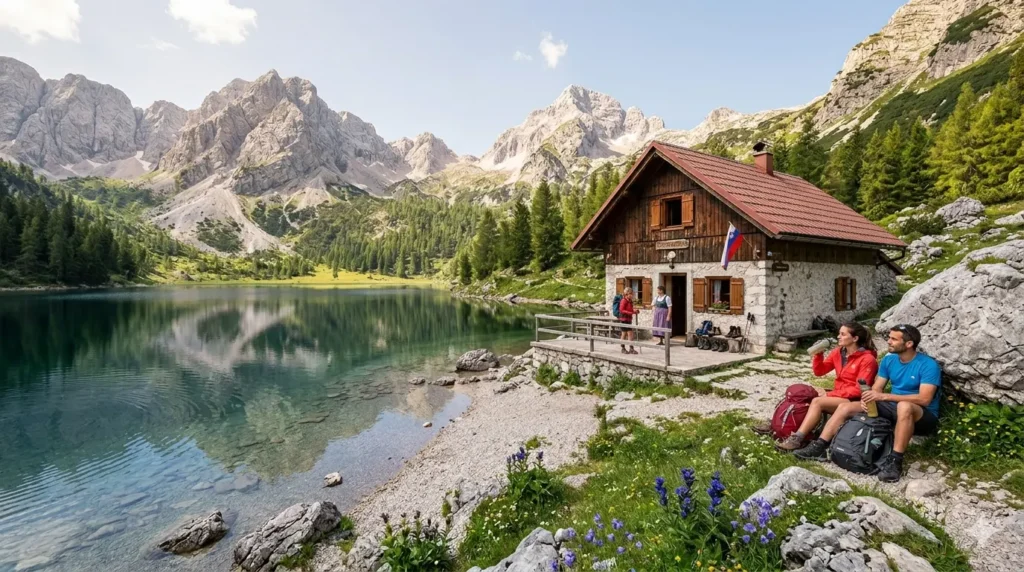
I know I mentioned Triglav, but the Julian Alps deserve their own section because the hut-to-hut trekking culture here is genuinely special.
Why it’s great: Mountain huts are spaced perfectly for day hikes, food and beds are provided, and you carry minimal gear. This is how multiday hiking should feel.
Best trail: Triglav Lakes Circuit (3-4 days, moderate-challenging). Connects seven alpine lakes via maintained trails and mountain huts. This is the moment you realize what “hut-to-hut” means in the best way possible.
Difficulty level: Moderate to Challenging
Best time to visit: July to September (huts are closed earlier/later)
Gear tip: Lightweight sleeping bag for hut stays—you’re not camping, so you don’t need a 4-season monster. The 20-degree Lightweight Down Sleeping Bag (around $80-120 on Amazon) is compact, warm enough for summer huts, and weighs under 2 pounds. Perfect.
11. Cinque Terre, Italy – Coastal Hiking Drama
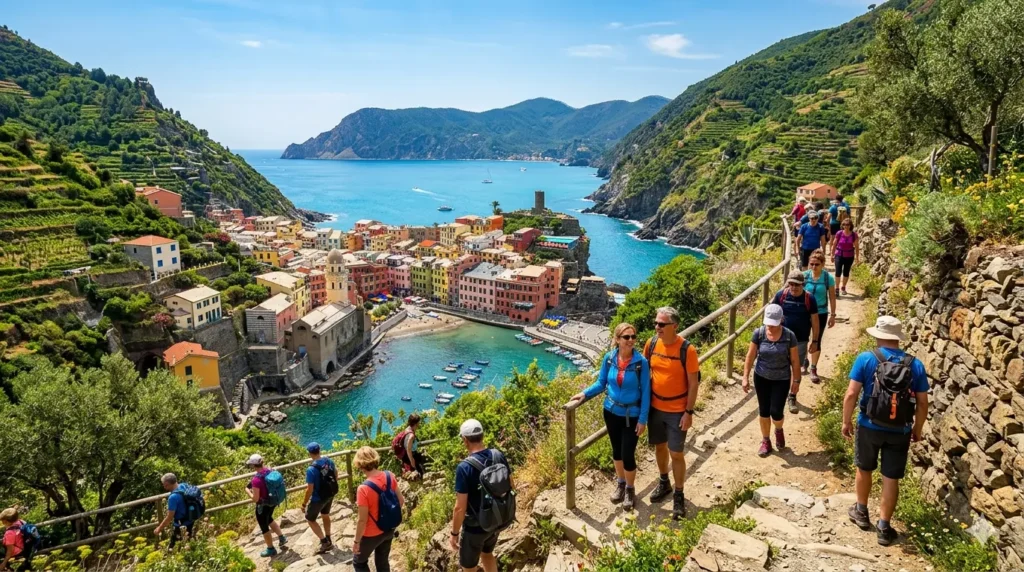
Cinque Terre is famous for a reason. Five ancient villages clinging to cliffs, hiking trails above the Mediterranean Sea, and honestly some of the most stunning views you’ll accumulate walking time.
Why it’s great: Unique combination of coastal drama and coastal village charm. Towns are only 30-60 minutes apart on foot, so you get multiday hiking without losing civilization.
Best trail: Village-to-village coastal walk (all five villages, 6-8 miles total, easy-moderate if taken over 2 days). Each section is unique, and you’re never more than an hour from food and a bed.
Difficulty level: Easy to Moderate
Best time to visit: April-May or September-October (summer is crowded and hot)
Gear tip: Coastal sun reflection is brutal. Bring genuine sunscreen and reapply often. A good hydration pack with a 2-3L reservoir (like the Osprey Hydration Pack with 2.5L Reservoir, around $60) means you’re carrying enough water without stopping constantly. Coastal trails can be exposed for long stretches.
Quick Comparison: Europe’s 11 Best Hiking Destinations
| Destination | Difficulty | Best For | Days Needed | Best Months |
|---|---|---|---|---|
| Dolomites, Italy | Moderate | Photography, Hut trekking | 2-3 | Jul–Sep |
| Swiss Alps | Moderate–Challenging | Alpine lakes, Fitness challenge | 5-7 | Jun–Sep |
| Scottish Highlands | Moderate–Challenging | Rugged scenery, Solitude | 2-4 | May–Sep |
| Picos de Europa | Moderate | Fewer crowds, Gorge hiking | 2-3 | Jun–Sep |
| Triglav National Park | Challenging | Alpine lakes, Scrambling | 2-3 | Jul–Sep |
| Lofoten Islands | Moderate–Challenging | Unique Arctic scenery | 3-5 | Jun–Aug |
| Meteora, Greece | Moderate | History + hiking, Monasteries | 2-3 | Oct–May |
| Black Forest, Germany | Easy–Moderate | Family-friendly, Forest walks | 2-3 | May–Oct |
| Faroe Islands | Moderate | Sea cliffs, Remote hiking | 3-4 | Jun–Aug |
| Julian Alps (Hut Trek) | Moderate–Challenging | Hut-to-hut comfort trekking | 3-4 | Jul–Sep |
| Cinque Terre, Italy | Easy–Moderate | Coastal scenery, Village towns | 2-3 | Apr–May, Sep–Oct |
Planning Your European Hiking Trip: The Essentials
First-Time European Hiking? Start Here
If you’re new to European hiking specifically, our comprehensive guide on what to wear hiking for women covers the layering system, material choices, and seasonal adjustments that make the difference between a great hike and a miserable one. European weather is unpredictable—knowing how to dress for it is half the battle.
Gear That Actually Matters
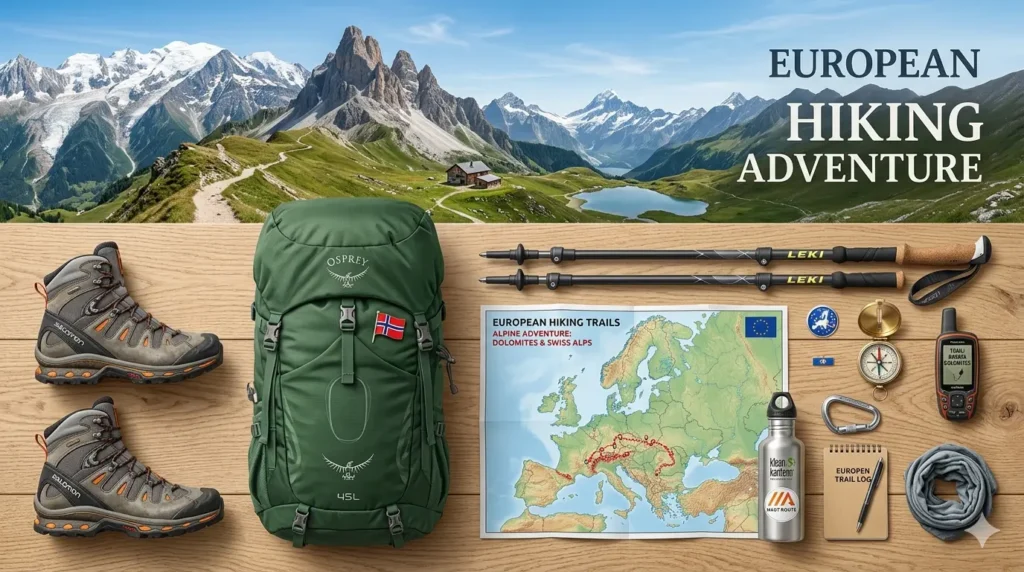
I’ve mentioned specific products throughout because I’ve tested them or researched their real user reviews. Here’s what shouldn’t be an afterthought:
Backpack: Size matters for your trip length. Day hikes = 20-30L. Overnight = 40-50L. Multi-day = 60L+. The Osprey Atmos AG 65 is the gold standard (pricey but worth it), or grab the REI Flash 55 for serious value.
Boots: Buy them, test them at home, break them in before your trip. The Merrell Moab 3 Mid GTX and Salomon X Ultra 5 are proven. Avoid brand-new boots on European trails.
Water management: A hydration reservoir or good water bottles keep you from getting dehydrated on the trail. European summers can be hot. Carry 2-3L capacity minimum.
When to Go
Alpine regions: June to September (snow clears, huts open)
Mediterranean: April-May, September-October (avoid summer heat)
Northern Europe: June to August only (honestly)
Budget Reality
European hiking is more affordable than you think. Hut stays run €20-40/night. Trail food is cheap if you buy local. The expensive part is flights, not the hiking itself.
Disclosure: This article contains affiliate links. If you purchase through these links, we may earn a commission at no extra cost to you.
Ready to Hit the Trails?
These 11 destinations aren’t bucket-list clichés—they’re genuinely remarkable places where hiking feels like the best use of your time and money. Pick one. Book your flights. Get your boots tested. The European mountains are waiting.
Start with the right gear, and the trail does the rest.