
Wide Hiking Shoes: My Complete Guide to Finding Your Perfect Fit
Table of contents:
Why Wide Hiking Shoes Changed My Trail Experience Forever
When I first started hiking seriously, I made a mistake that cost me three seasons of foot pain and blisters. I grabbed whatever hiking boots were on sale at the local outdoor store—standard width, of course. At the time, I didn’t even know that wide options existed. For the first few hikes, everything felt fine. But once I hit longer trails, my feet started swelling by the third mile. My toes felt squeezed. Blister after blister plagued my weekends, and honestly, I almost gave up on hiking altogether.
Then a friend mentioned that her wide hiking shoes changed everything for her. That conversation was the turning point. I realized my problem wasn’t hiking—it was footwear. Switching to properly fitting wide hiking shoes wasn’t just a comfort upgrade; it transformed how I experience the outdoors.

Understanding Wide Hiking Shoes: More Than Just Extra Space
Wide hiking shoes aren’t simply regular shoes with a bigger interior. They’re engineered differently. The toe box is noticeably roomier, providing genuine comfort for wider feet. But beyond width, the shoe’s entire structure differs—from the heel counter to the midsole support, manufacturers design wide hiking shoes with anatomically different foot shapes in mind.
I learned that shoe width isn’t arbitrary. Brands measure width at the ball of the foot—the widest part where your toes connect to your foot. Standard width shoes measure typically around 3.6 inches for men’s size 10. Wide shoes for the same size jump to about 4.1 inches. That might sound small, but when you’re on mile eight of a ten-mile trail, that extra half-inch of space feels like luxury.
Why Regular Hiking Shoes Fail Wide Feet
Cramped toe boxes don’t just feel uncomfortable—they cause serious problems. When your toes are compressed, pressure builds inside the shoe, restricting blood flow and creating friction against your skin. This friction generates blisters. Worse, the pressure can cause long-term issues like hammertoes or metatarsalgia, which I didn’t want to risk.
I also discovered that cramped shoes affect your gait. Your feet naturally spread and splay on steep terrain for balance. When a shoe restricts this natural movement, your ankles compensate, leading to instability and increased injury risk. I’ve twisted an ankle before—I never wanted to repeat that experience—and wearing properly fitting wide hiking shoes became a safety issue, not just comfort.
Finding Your Ideal Wide Hiking Shoe Model
After testing multiple pairs, I developed a system for evaluating wide hiking shoes. Proper width options come from trusted manufacturers who take the category seriously. Major brands like Salomon, ASICS, New Balance, and Merrell all offer genuine wide options, not afterthoughts.
The shoe that finally solved my problem was one I found after extensive research. I checked customer reviews specifically from people with wide feet, looked at material composition, and examined the specific width measurement at the ball. I also considered the shoe type—some people with wide feet prefer hiking shoes (low ankle), while others like the ankle support and protection of hiking boots.
What I recommend most is trying shoes at an outdoor retailer before buying. They typically have a wall of different options, and staff can measure your foot properly using a Brannock device. I spent an hour trying on different models, comparing widths, and walking around the store. It wasn’t the fastest shopping trip, but it saved me from wasting money on another wrong pair.
Key Features That Make Wide Hiking Shoes Exceptional
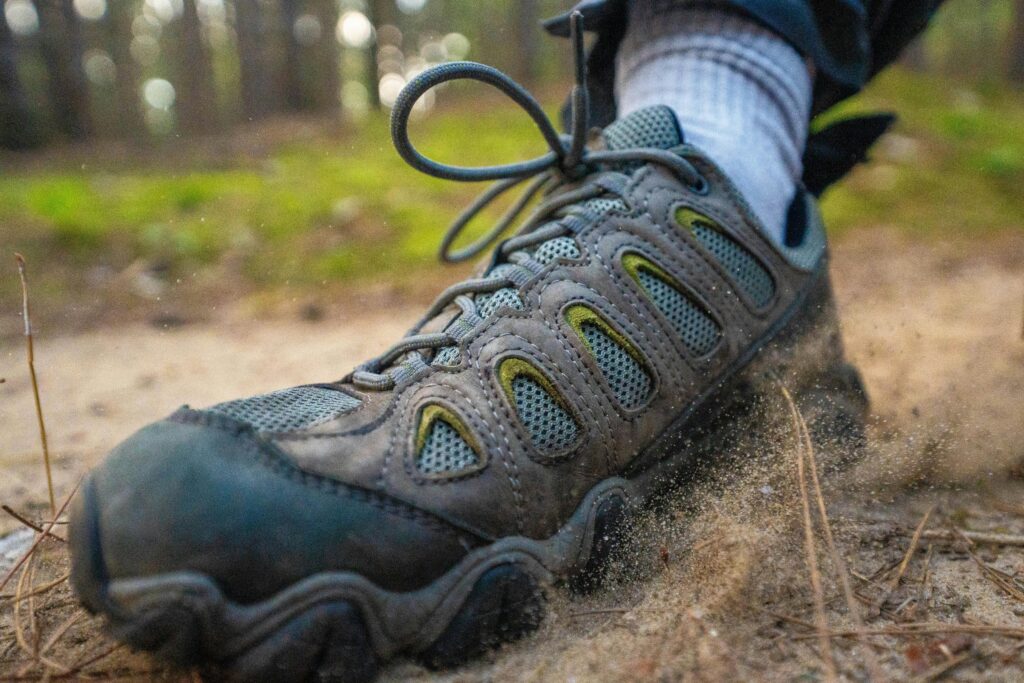
Premium wide hiking shoes share specific characteristics worth considering. Look for reinforced heel counters that prevent your foot from rolling side to side inside the shoe. This support becomes critical on uneven terrain where ankle stability matters.
The midsole matters tremendously. Quality hiking shoes use cushioning materials that absorb impact while maintaining responsiveness. Brands differ here—some use foam, others use gel, and premium options use proprietary materials. I prefer shoes with moderate cushioning that lets me feel the ground while protecting my joints.
Don’t overlook the outsole. A good hiking shoe has aggressive treading patterns that grip rocks and roots. I’ve slipped in muddy conditions wearing shoes with smooth outsoles, and it’s genuinely dangerous. Vibram and other specialty rubber companies make excellent outsoles found on quality wide hiking shoes.
Comparing Top-Rated Wide Hiking Shoes
After personally testing several models, I found distinct differences between popular options. Each has strengths depending on your specific needs. Some excel on rocky terrain, others shine on wet trails, and a few offer the best all-around performance.
I’ve logged hundreds of miles in different brands. ASICS wide hiking shoes provide exceptional arch support—perfect if you have flat feet. Salomon’s wide options offer superior ankle stability, valuable when navigating technical passages. New Balance specializes in true-to-size wide fitting that rarely requires break-in time. Each brand brings something different.
The best wide hiking shoe for you depends on your foot shape, hiking terrain, and personal preferences. I recommend identifying the three biggest names in wide options, researching reviews from verified wide-footed users, checking warranty policies, and understanding return procedures before committing.
Breaking In Wide Hiking Shoes Properly
Once I found shoes that truly fit, I still needed to break them in correctly. Even perfect shoes can cause discomfort if you jump into a ten-mile trail immediately. My approach involved wearing them on short walks first—maybe a mile or two around my neighborhood.
I gradually extended distance over two weeks. By the third week, I felt confident taking them on medium trails. This gradual introduction helped my feet adjust and let me identify any remaining comfort issues before they became problems on serious hikes.
I also invested in quality hiking socks made from merino wool. Regular cotton socks retain moisture and create friction—exactly what you don’t want. Merino wool socks keep feet dry and regulate temperature, contributing significantly to overall comfort and blister prevention.
Investment in Your Hiking Future
Quality wide hiking shoes cost more than bargain options. I won’t pretend otherwise. But after calculating all those years of foot pain, ruined hiking trips, and wasted money on shoes that didn’t work, spending more on the right shoes seems like a bargain.
A proper pair of wide hiking shoes lasts multiple seasons of regular use—often two to three years before needing replacement. That works out to just a few dollars per trail outing. When you consider that poor footwear can end a promising hiking season with injury, the investment becomes obvious.
Most outdoor retailers offer return policies and warranties. You can usually return shoes within 30 days if they don’t work, and many manufacturers warranty against defects. Use these protections to your advantage while finding your perfect fit.
Final Thoughts: Your Trail Awaits
If you’re considering waterproof options, check this guide. Looking back at those early hiking experiences filled with blisters and foot pain, I’m grateful I discovered wide hiking shoes. That simple change opened entirely new possibilities. Trails that once felt impossible because of foot discomfort became enjoyable again. Those longer hikes that required dental-gritting determination became something I actually looked forward to.
If you have wide feet and feel hesitant about hiking, I want to tell you what I wish someone had told me years ago: the right shoes make everything different. Don’t settle for uncomfortable footwear. Invest in wide hiking shoes that fit properly, break them in gradually, and get out on the trails. Your feet—and your hiking adventures—deserve nothing less.
Disclosure: This article contains affiliate links. As an Amazon Associate, I earn from qualifying purchases at no extra cost to you.