Can You Hike in Snowboard Boots? The Complete Guide for Winter Adventures
If you’re planning a winter mountain adventure and wondering whether your snowboard boots can double as hiking boots, you’re not alone. Many outdoor enthusiasts ask this question, especially when they’re looking to maximize their gear investment. The answer? It’s technically possible, but there are significant trade-offs you need to understand.
In this comprehensive guide, we’ll break down everything you need to know about hiking in snowboard boots, including the pros and cons, practical considerations, and the best alternatives for your specific needs.
Understanding Snowboard Boot Design
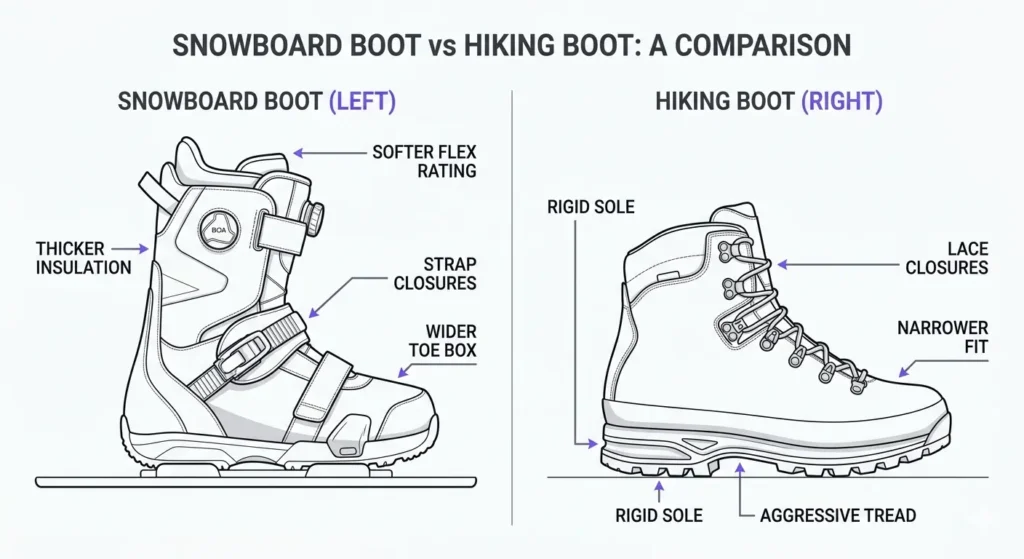
Before we dive into whether you can hike in snowboard boots, let’s understand what makes them different from hiking boots. Snowboard boots are specifically engineered for performance on snowy slopes, with features that prioritize comfort while strapped into a snowboard.
Snowboard boots typically feature:
- Softer flex ratings (ranging from 4-10 out of 10) designed for board control and response
- Thicker insulation to keep your feet warm in extreme cold
- Boot liners that pack out for comfort during extended riding sessions
- Strap closures instead of laces for quick adjustments on the mountain
- Wider toe boxes to accommodate thick socks and toe-side edge pressure
- Reinforced heel counters for heel-side control
Hiking in Snowboard Boots: The Honest Truth
Let’s be straightforward: hiking in snowboard boots isn’t ideal, but it’s doable in certain situations. Your experience will depend on several factors including boot fit, terrain difficulty, and distance.
The Pros of Hiking in Snowboard Boots
- Excellent insulation – Your feet will stay warm in extreme winter conditions
- Cost savings – You won’t need to purchase separate hiking boots
- Proven ankle support – Snowboard boots offer lateral stability for uneven terrain
- Waterproof construction – Most quality snowboard boots keep moisture out effectively
- Aggressive tread patterns – Some models provide decent traction in snow
The Cons of Hiking in Snowboard Boots
- Heavy weight – Snowboard boots are significantly heavier than hiking boots, causing faster fatigue
- Poor ankle articulation – The stiff design restricts natural walking motion
- Inadequate arch support for hiking – Designed for standing on a board, not walking long distances
- Difficult to walk on rock – Boot design isn’t optimized for scrambling or technical terrain
- Heat buildup issues – Too much insulation for active hiking can cause overheating
- Reduced sensitivity – You’ll feel less of the ground beneath your feet
Key Considerations Before Hiking in Snowboard Boots
Distance and Elevation Gain
If you’re planning a casual 2-3 mile hike on gentle terrain, snowboard boots might work. However, anything beyond 5 miles or with significant elevation gain becomes challenging. The weight and restrictive ankle movement will fatigue your feet and legs more quickly than proper hiking boots would. For winter hiking, you need boots engineered for the specific demands of cold weather.
Terrain Type
Snowboard boots perform best on smooth, snow-covered slopes. But throw in steep rocky sections, stream crossings, or technical scrambling, and you’ll quickly realize their limitations. The wider, softer boot isn’t designed to maneuver precisely on technical terrain.
Weather and Snow Conditions
In deep powder or icy conditions, snowboard boots actually excel due to their design. But in mixed snow and rock terrain, they become a liability. The insulation that keeps you warm on a static snowboard can cause overheating during active hiking. For comprehensive winter hiking preparation, you need the right layering and footwear combination.
Your Boot Fit
This is crucial. If your snowboard boots fit snugly (as they should for riding), they might be uncomfortably restrictive for hiking. Conversely, if they’re too loose, you’ll experience painful heel slippage and blistering during long walks.
Real-World Experiences: What Hikers Report
We researched community forums and hiker experiences to give you authentic feedback. Here’s what experienced winter hikers say about using snowboard boots for hiking:
Short winter hikes in deep snow: “My snowboard boots worked fine for a 3-mile hike up Mount Mansfield in fresh powder. The insulation kept my feet toasty, and the wide soles gave me good traction. Wouldn’t do it for a full day trip though.” – Mountain enthusiast, Vermont
Mixed terrain challenges: “I attempted Tuckerman Ravine hiking in snowboard boots. The snow sections were fine, but the rocky approach at the bottom was brutal. My ankles got sore, and I felt unstable. Won’t repeat that mistake.” – Winter mountaineer
Weekend warrior perspective: “For casual 2-3 hour hikes in the backcountry, snowboard boots are acceptable. But if you’re serious about winter hiking, invest in proper mountaineering or winter hiking boots. Pair them with quality hiking socks for maximum comfort.” – Backcountry enthusiast
The Right Boot for Every Winter Activity
Instead of forcing snowboard boots into a hiking role, consider the specific tool for each job. Understanding the differences between activities like backpacking vs camping will also help you choose the right footwear for your specific adventure.
| Activity | Best Boot Type | Key Features | Budget Range |
|---|---|---|---|
| Snowboarding | Snowboard Boots | Soft flex, insulated liner, strap closures | $150-$350 |
| Winter hiking (trails) | Insulated Hiking Boots | Aggressive tread, ankle support, lace closure | $200-$400 |
| Winter hiking (technical) | Mountaineering Boots | Rigid flex, crampons compatible, extreme insulation | $300-$600 |
| Backcountry skiing | Ski Touring Boots | Walk mode, lightweight, boot/binding compatibility | $400-$800 |
| Snowshoeing | Insulated Winter Boots | Good insulation, sturdy sole, gaiters compatible | $100-$250 |
Top Winter Hiking Boot Recommendations for MyTrailWear
If you’ve decided that snowboard boots aren’t the right choice for your winter hiking adventures, here are some excellent alternatives that deliver superior performance. When paired with proper waterproof rain jackets and appropriate hiking clothing, these boots will keep you comfortable and safe on winter trails.
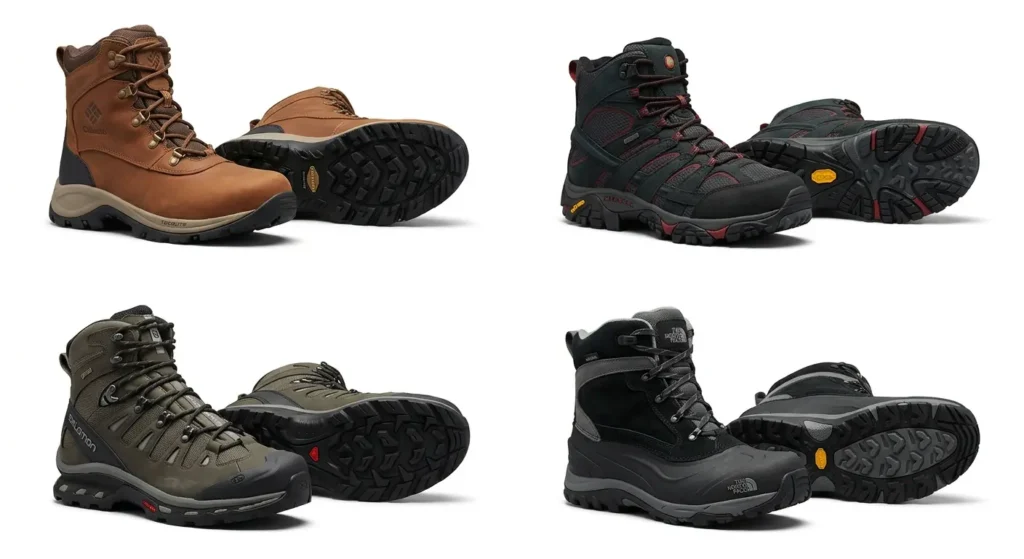
1. Columbia Bugaboot Plus IV Omni-Heat
Why it excels: This boot combines serious insulation (200g Omni-Heat thermal reflective lining) with excellent traction and ankle support. The aggressive OutDry waterproof bootie keeps moisture out completely, while the Omni-Heat technology reflects body heat back to your feet.
Real user feedback: Hikers consistently praise the warmth and the sure-footed feeling on icy terrain. The insulation handles temperatures down to -20°F comfortably.
Best for: Winter trail hiking, snowshoeing, and casual winter mountaineering up to moderate elevations.
2. Merrell Thermo Fractal Mid Shell Waterproof
Why it excels: Merrell engineered this boot specifically for winter hikers who need technical capability without the extreme weight of mountaineering boots. The Vibram sole provides exceptional grip on ice and mixed terrain, while the insulation keeps your feet warm without overheating during active hiking.
Real user feedback: Users love the balanced approach—warm enough for winter but breathable enough for active use. The ankle support feels stable on rocky sections.
Best for: Technical winter hiking, mixed snow and rock terrain, moderate mountaineering expeditions.
3. Salomon Quest 4D 3 GTX
Why it excels: This is the go-to boot for serious winter mountaineers. It’s rigid enough for crampons, insulated for extreme cold, and designed with the input of professional mountain guides. The 3-layer Clima insulation adjusts to your activity level, providing warmth without excessive heat buildup.
Real user feedback: Mountaineers consistently rate this boot as reliable in extreme conditions. Users report confidence in technical terrain and excellent crampons compatibility.
Best for: Winter mountaineering, high-altitude expeditions, serious backcountry winter hiking.
4. The North Face Chilkat IV
Why it excels: North Face designed this boot with winter hikers in mind. The 400g synthetic insulation provides serious warmth, the Vibram sole excels in snow and ice, and the design is lighter than comparable mountaineering boots.
Real user feedback: Outdoor enthusiasts praise the durability and the fact that it performs well in a wide range of conditions—from powder hiking to icy trail sections.
Best for: All-around winter hiking, weekend winter backpacking trips, variable terrain expeditions.
Expert Tips for Winter Hiking Boot Selection
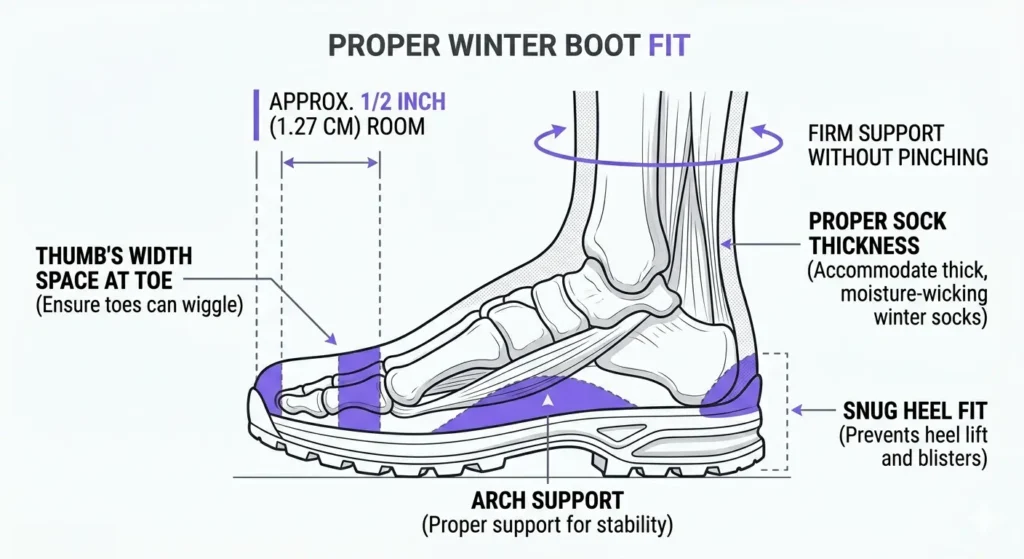
Size matters: Winter boots should fit with room for thick socks. However, too much space causes heel slippage and blisters. Aim for a thumb’s width between your longest toe and the boot end.
Test the insulation level: For moderate winter hiking, 200-400g insulation is ideal. Extreme mountaineering might demand 600g+, while lighter winter activities work with 100-200g.
Prioritize ankle support: Unlike snowboard boots where flexible ankles are desired, hiking demands stable ankle support to prevent injuries on uneven terrain. Pair quality boots with appropriate hiking attire.
Consider crampons compatibility: If you might encounter icy sections or glaciers, ensure your boots have a compatible binding system (rigid welts are standard).
The Bottom Line: Snowboard Boots vs. Proper Winter Hiking Boots
So, can you hike in snowboard boots? Yes, for short, gentle winter hikes in deep snow. But should you? No, if you value comfort and safety.
The most common mistake winter enthusiasts make is trying to save money by using one boot for multiple activities. In reality, each specialized boot exists because that design solves specific problems. Snowboard boots excel at keeping you warm and controlled while riding, but they sacrifice the ankle articulation, precise foot sensitivity, and weight efficiency that hiking demands.
If you’re serious about winter hiking, investing in a dedicated pair of insulated hiking or mountaineering boots will pay dividends in comfort, safety, and overall enjoyment. Your feet (and your knees and ankles) will thank you.
Frequently Asked Questions
Q: Will wearing snowboard boots for hiking damage them?
A: Not significantly. The added walking won’t ruin your boots, but you’ll wear out the insole and liner faster than normal use.
Q: Can I use hiking boot insoles in snowboard boots?
A: Some people do, but snowboard boots are designed with their own insole systems for a reason. Switching might cause discomfort or affect boot performance.
Q: Are snowboard boots better than regular winter boots for snow hiking?
A: Snowboard boots offer more insulation, but dedicated winter hiking boots provide better support and ankle mobility for actual hiking.
Q: What’s the maximum distance for snowboard boot hiking?
A: Most experienced hikers recommend a 5-mile maximum. Beyond that, fatigue and discomfort typically become problematic.
Q: Do brand differences matter between snowboard boots for hiking?
A: Yes. High-quality brands like Burton, Salomon, and Vans use better materials and insulation systems, making them slightly more suitable for hiking than budget options. If you have wider toe box needs, many winter boots come in extended sizes. Popular hiking destinations like New Hampshire’s White Mountains require serious winter footwear preparation.
Final Recommendations for MyTrailWear Readers
Whether you’re a snowboarder looking to extend your winter adventures or a hiker seeking versatile gear, understanding the limitations and strengths of each boot type is essential. While your snowboard boots can technically handle light winter hiking, they’re not optimized for the job. For complete winter hiking preparation, check out our guides on best hiking backpacks for women and camping nutrition.
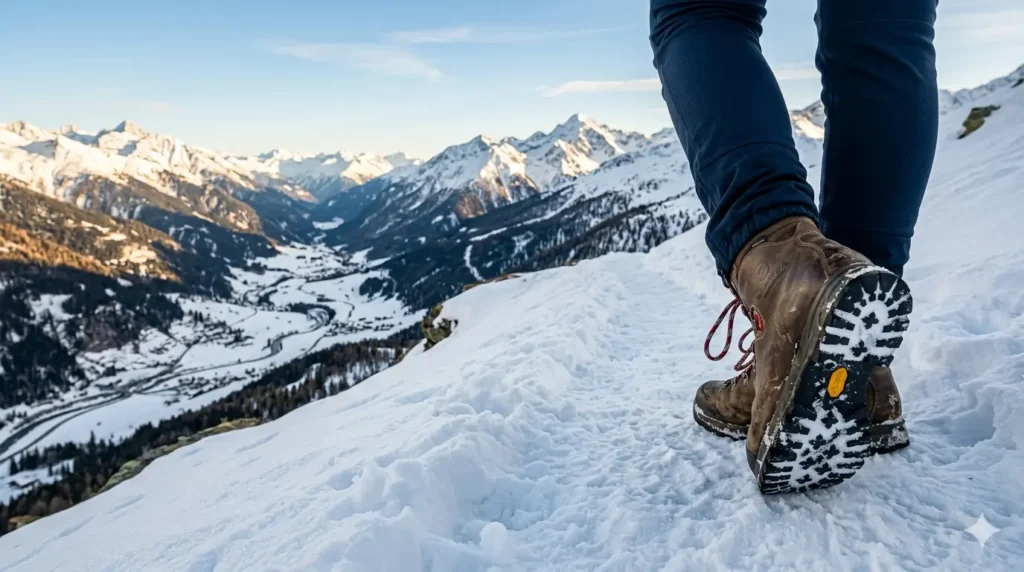
For the best winter hiking experience, choose a boot designed for hiking. Your feet will be more comfortable, you’ll perform better on technical terrain, and you’ll reduce injury risk. When you’re ready to upgrade your winter hiking footwear, the boots we’ve recommended above represent the best options across various price points and difficulty levels.
Remember: the right tool for the job isn’t always the most versatile tool—it’s the tool designed specifically for that job.
Disclaimer: As an affiliate of Amazon, MyTrailWear earns from qualifying purchases. All product recommendations are based on genuine user experiences and expert reviews. We only recommend products we believe in.